Procrastination is rarely just laziness.
That’s the lie many people quietly tell themselves after another unproductive day.
They stare at unfinished tasks.
Ignored goals.
Half-started dreams.
And eventually they begin believing something must be wrong with them.
“Why can’t I just do the things I know I should do?”
But procrastination is often much deeper than avoiding work.
Sometimes it’s fear.
Fear of failing.
Fear of starting.
Fear of not being good enough.
Fear of trying your hardest and still disappointing yourself.
Sometimes procrastination is perfectionism wearing a disguise.
And sometimes it’s emotional exhaustion so heavy that even simple tasks begin feeling impossible.
That’s why productivity advice often fails.
Because many people don’t need more pressure.
They need understanding.
The right books don’t just teach discipline.
They help untangle the emotional reasons people stay stuck in the first place.
Some of these books will change how you see habits.
Some will challenge the mental patterns quietly sabotaging your life.
And some will help you stop waiting to “feel motivated” before finally moving forward.
If you’ve been feeling stuck lately, these books may help you begin again.
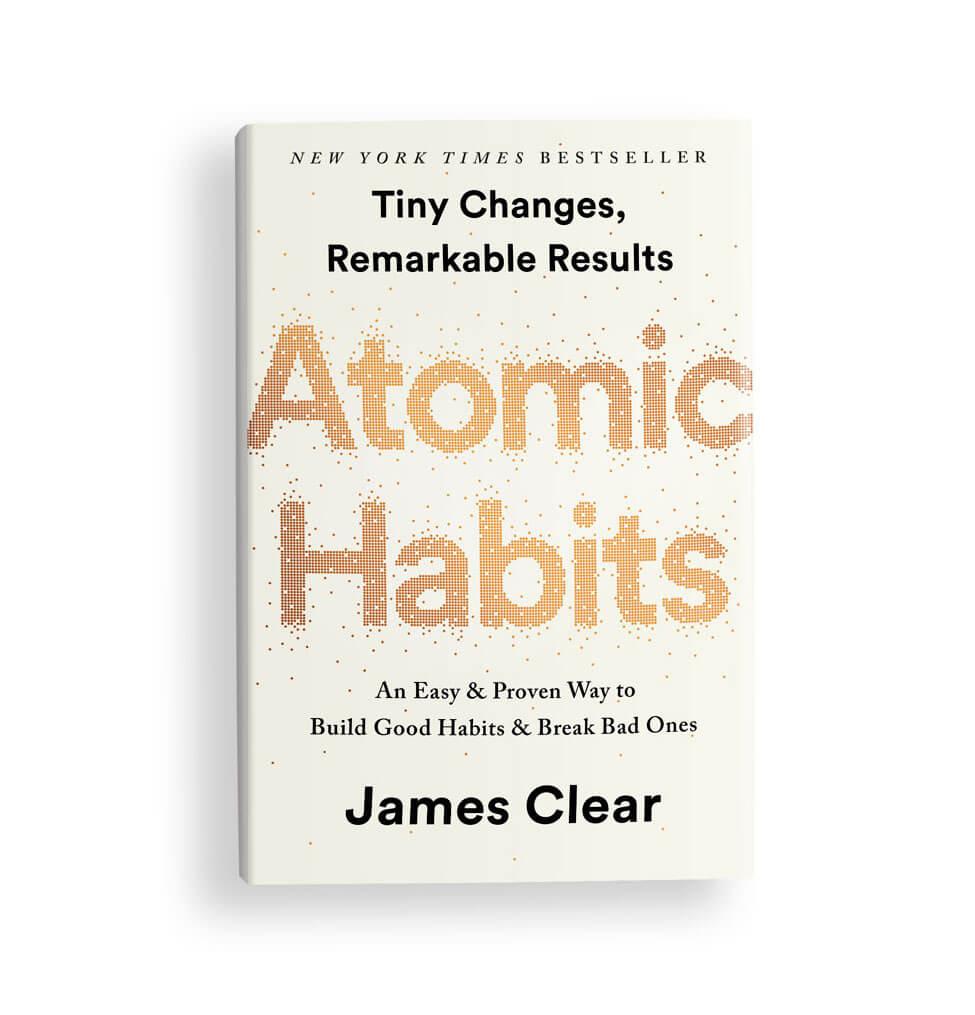
1. Atomic Habits — The Book That Makes Change Feel Possible Again
One of the most damaging things procrastination does is convince people that change must happen dramatically.
They imagine waking up one morning completely transformed:
- fully disciplined
- endlessly motivated
- suddenly productive
And because real life never looks like that, they give up before meaningful change even begins.
This book quietly destroys that mindset.
Written by James Clear, the book explores how tiny repeated behaviors slowly shape identity, habits, and long-term success. Rather than relying on motivation, the book focuses on systems — the invisible routines that quietly determine the direction of people’s lives.
What makes this book emotionally powerful is how forgiving it feels.
It removes the shame many procrastinators carry.
Instead of saying:
“You need more willpower,”
it says:
“You need smaller, sustainable steps.”
That difference matters deeply.
Because many people procrastinate not because they are incapable…
…but because the life changes they expect from themselves feel emotionally overwhelming.
The book repeatedly reminds readers that massive transformations often begin invisibly.
One page.
One workout.
One small decision repeated consistently.
And for people who feel stuck in cycles of self-disappointment, that idea feels hopeful.
Read This If:
- you constantly struggle to stay consistent
- you feel overwhelmed by big goals
- you rely too heavily on motivation
- you want practical systems instead of empty inspiration
A Thought That Lingers After Reading:
Your future is often shaped less by dramatic moments and more by tiny repeated actions.
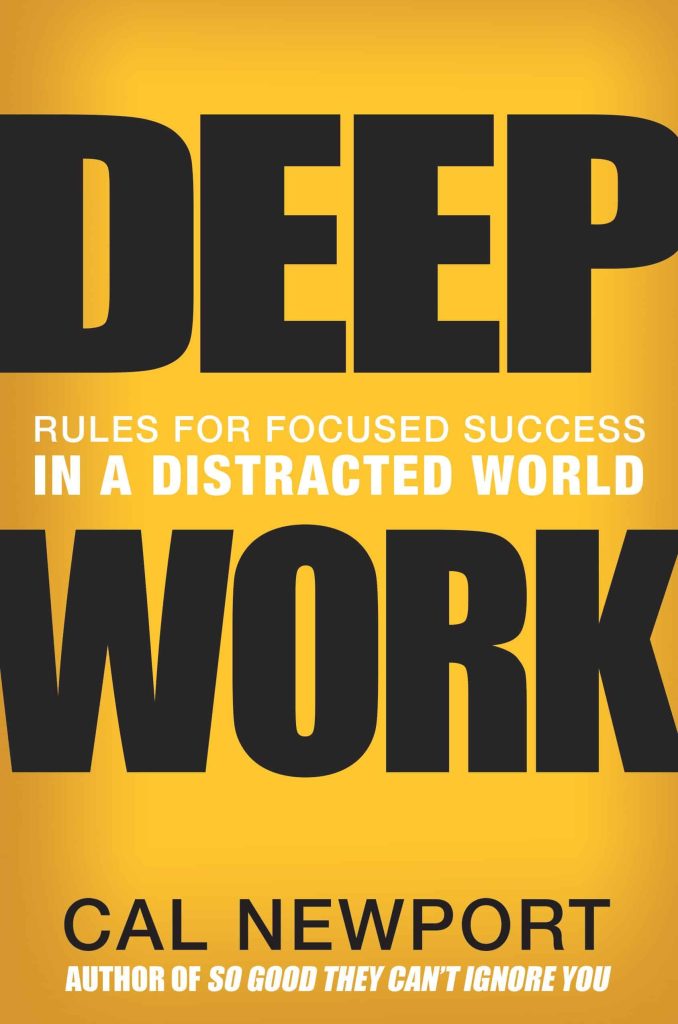
2. Deep Work — For People Who Can’t Focus Anymore
Modern life has trained many people to lose concentration without realizing it.
Notifications interrupt every thought.
Social media fragments attention.
The brain becomes addicted to constant stimulation.
And eventually, sitting quietly with difficult work begins feeling almost painful.
That’s the emotional problem at the center of this book.
Written by Cal Newport, the book explores the importance of uninterrupted focus in a world designed to destroy concentration. Through research, stories, and practical strategies, it explains how deep focus creates not only productivity, but also meaning and satisfaction.
What makes this book resonate emotionally is how accurately it captures modern mental exhaustion.
Many procrastinators are not avoiding work because they are lazy.
They are mentally overstimulated.
Their attention has become fragmented into pieces.
And because shallow distractions feel easier than difficult concentration, they slowly lose the ability to fully immerse themselves in meaningful work.
This book feels almost like rehabilitation for attention itself.
It teaches readers how to reclaim silence, focus, and mental clarity in a world constantly demanding their attention.
And somewhere during the process, work begins feeling less emotionally draining.
Read This If:
- you struggle to focus for long periods
- your attention span feels destroyed
- distractions constantly pull you away from goals
- you feel mentally scattered all the time
A Thought That Lingers After Reading:
A distracted mind often mistakes stimulation for fulfillment.
3. The War of Art — The Book That Explains Why You Keep Avoiding Your Potential
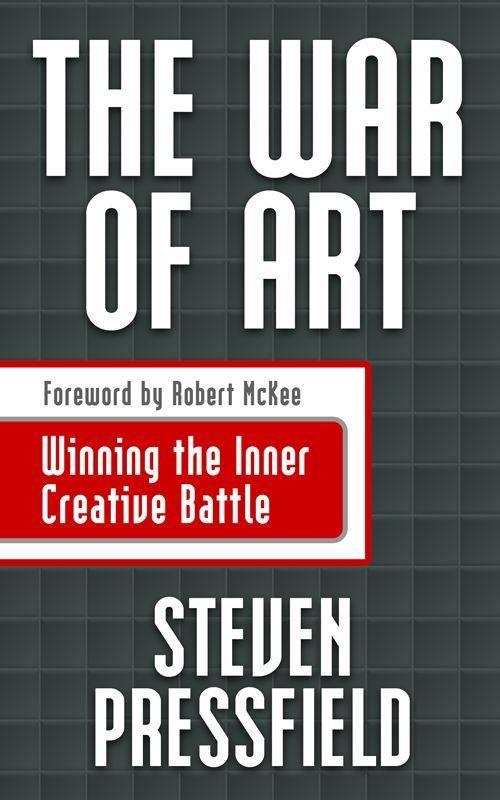
There’s a painful kind of procrastination that happens when people care deeply about something.
Writing the book.
Starting the business.
Creating art.
Changing careers.
The dream matters so much that fear begins protecting you from it.
Because if you never truly try, you never truly fail.
This book confronts that fear directly.
Written by Steven Pressfield, the book introduces the concept of “Resistance” — the invisible force that pushes people away from meaningful work through procrastination, fear, self-doubt, distraction, and avoidance.
What makes this book hit so hard emotionally is how personal it feels.
Readers begin recognizing themselves immediately.
The endless delaying.
The waiting for motivation.
The sudden urge to do anything except the thing that actually matters.
And the book reveals something uncomfortable:
The stronger the dream, the stronger the resistance often becomes.
For many people, this realization changes procrastination completely.
They stop seeing avoidance as proof they are incapable.
And start understanding that fear often grows strongest around the things that matter most.
Read This If:
- you procrastinate on creative or meaningful goals
- fear keeps stopping you from starting
- you constantly delay important dreams
- you feel trapped between ambition and self-doubt
A Thought That Lingers After Reading:
Sometimes procrastination is not hatred of work. Sometimes it is fear of your own potential.
4. Essentialism — For People Overwhelmed By Too Much
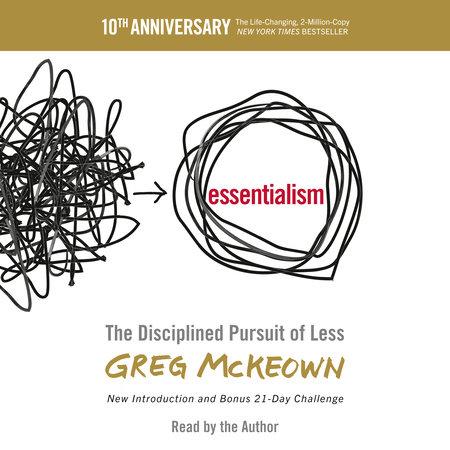
Some procrastination comes from having too little discipline.
But a surprising amount comes from having too much mental clutter.
Too many goals.
Too many responsibilities.
Too many decisions.
Eventually the brain becomes overwhelmed, and avoidance begins feeling like relief.
This book explores the emotional power of simplifying life.
Written by Greg McKeown, the book argues that many people exhaust themselves by trying to do everything instead of focusing deeply on what actually matters most.
For chronic procrastinators, this idea can feel unexpectedly freeing.
Because often the real problem is not laziness.
It’s overload.
The constant pressure to optimize every area of life at once.
The book repeatedly asks readers:
“What is truly essential here?”
And that question slowly cuts through mental chaos.
Instead of trying to become perfectly productive in every direction, readers begin learning how to protect their energy for the things that matter most deeply.
Read This If:
- your to-do lists overwhelm you
- you feel mentally overloaded
- you constantly start too many things at once
- decision fatigue drains your energy
A Thought That Lingers After Reading:
Trying to do everything often becomes the fastest way to accomplish nothing meaningfully.
5. Mindset — The Book That Changes How You See Failure
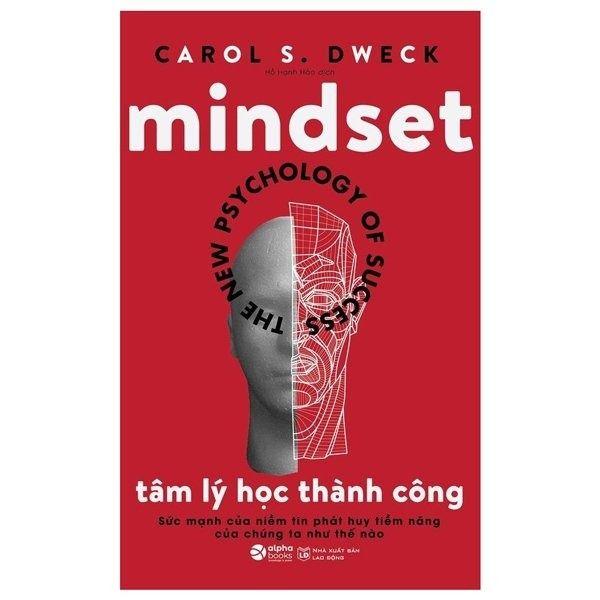
Many procrastinators are secretly terrified of failure.
Not small failure.
Identity-level failure.
They avoid starting because unfinished potential feels safer than visible disappointment.
And underneath that fear is often one dangerous belief:
“If I fail, it means I’m not capable.”
This book completely reframes that mindset.
Written by psychologist Carol S. Dweck, the book explores the difference between a fixed mindset and a growth mindset — the belief that intelligence, abilities, and skills can develop through effort rather than being permanently fixed traits.
For procrastinators, this idea becomes incredibly emotional.
Because suddenly mistakes stop feeling like proof of worthlessness.
They become part of learning instead.
And once fear of failure weakens, action becomes easier.
Not because fear disappears entirely…
…but because failure no longer feels emotionally catastrophic.
Read This If:
- fear of failure keeps stopping you
- perfectionism makes starting difficult
- you avoid challenges because of self-doubt
- mistakes emotionally destroy your confidence
A Thought That Lingers After Reading:
Growth becomes possible the moment failure stops defining your identity.
Why Procrastination Feels So Heavy Emotionally
Most procrastinators are not careless people.
In fact, many care too much.
They think deeply about their future.
They desperately want to improve.
They constantly feel guilty for falling behind.
And that guilt slowly becomes exhausting.
Over time, procrastination stops being just a productivity issue.
It becomes emotional.
People begin questioning:
- their intelligence
- their discipline
- their future
- their worth
That’s why shallow advice rarely helps.
People do not overcome procrastination simply by “trying harder.”
Often they overcome it by:
- reducing fear
- understanding themselves
- simplifying their goals
- healing perfectionism
- rebuilding trust in themselves slowly
And the right books can help begin that process.
Final Thoughts
Procrastination often convinces people they are failing at life.
But many people who procrastinate are not broken.
They are overwhelmed.
Afraid.
Mentally exhausted.
Or carrying impossible expectations for themselves.
Real change rarely begins with self-hatred.
It begins with understanding why you became stuck in the first place.
And perhaps the most important thing these books quietly teach is this:
You do not need to transform your entire life overnight.
Sometimes progress begins with something much smaller.
Opening the laptop.
Writing one paragraph.
Taking one step.
Trying again tomorrow.
And sometimes, that is more than enough to begin changing everything.