
There are books you enjoy for a few days…
…and then there are books that quietly change the way you see reality itself.
The dangerous thing about these books is that they rarely feel dramatic while you’re reading them.
There’s no lightning strike.
No sudden transformation scene.
Instead, something subtler happens.
A sentence stays in your head longer than it should.
A perspective unsettles you.
A truth becomes impossible to unsee.
And slowly, your old way of thinking begins falling apart.
You start questioning habits you once accepted automatically.
You begin seeing people differently.
Your relationship with fear, success, happiness, identity, or even suffering starts shifting underneath the surface.
That’s what truly mind-changing books do.
They don’t just give information.
They reorganize the architecture of your thinking.
Some of the books on this list will challenge the stories you tell yourself.
Some will expose invisible psychological patterns controlling your life.
And some will completely change how you understand human behavior, meaning, and personal growth.
The strange thing is that after certain books, life never feels exactly the same again.
You cannot unread them.
And perhaps that’s why people return to these books repeatedly during different phases of life.
Because every time they do, they discover a new version of themselves hidden inside the pages.
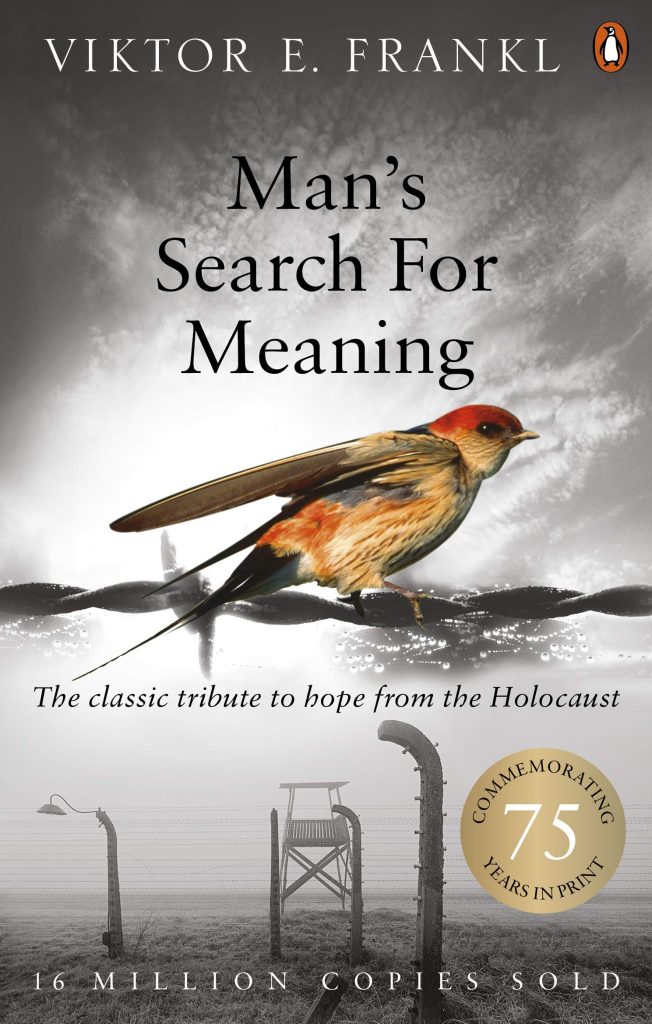
1. Man’s Search for Meaning — The Book That Changes How You Understand Suffering
Most people spend their lives trying to avoid pain completely.
But this book asks a deeply uncomfortable question:
What if meaning matters more than comfort?
Written by psychiatrist and Holocaust survivor Viktor Frankl, the book reflects on his experience surviving Nazi concentration camps while exploring the psychological idea that human beings can endure extraordinary suffering if they still possess a sense of purpose.
What makes this book so mentally transformative is not simply the tragedy inside it.
It’s the perspective.
Frankl repeatedly observes that even in horrifying conditions, different people responded differently psychologically.
Some lost hope entirely.
Some still found moments of dignity, compassion, or meaning.
And slowly, the book introduces a life-altering realization:
Human beings cannot always control circumstances.
But they can often control the meaning they attach to them.
For many readers, this idea completely changes the way they view hardship.
Pain stops feeling entirely pointless.
Struggle stops automatically meaning destruction.
And somewhere during the book, readers begin asking themselves:
“What gives my life meaning beyond comfort?”
That question alone can change a person permanently.
Read This If:
- you feel emotionally lost
- you struggle with hopelessness
- life feels meaningless lately
- you want a deeper understanding of human resilience
A Thought That Lingers After Reading:
People can survive extraordinary suffering when they still have something meaningful to live for.
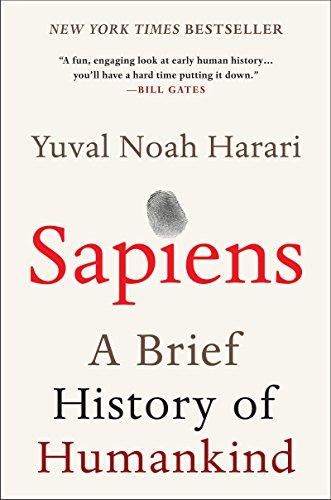
2. Sapiens — The Book That Makes Humanity Feel Strange Again
Most people move through society accepting things exactly as they are.
Money.
Governments.
Religion.
Culture.
Social rules.
They feel permanent.
Natural.
This book completely dismantles that illusion.
Written by historian Yuval Noah Harari, the book traces the history of humanity from ancient hunter-gatherers to modern civilization, exploring how shared beliefs and collective stories shaped the entire world humans live inside today.
What makes this book mind-altering is how it changes scale.
Suddenly, human civilization starts feeling both extraordinary and strangely fragile.
Readers begin realizing how many things they considered “normal” are actually constructed ideas maintained by collective belief.
Money only works because humans agree it does.
Nations exist because people collectively believe in them.
Social systems survive through shared imagination.
That perspective changes the way people view society itself.
The book doesn’t just give historical information.
It creates psychological distance from modern life.
And once readers gain that distance, they begin questioning everything differently:
- success
- status
- consumerism
- power
- identity
It’s the kind of book that leaves your brain strangely restless afterward.
Read This If:
- you love deep thinking
- you question society often
- you want books that completely shift perspective
- human behavior fascinates you
A Thought That Lingers After Reading:
Many things humans treat as permanent are actually shared stories held together by collective belief.
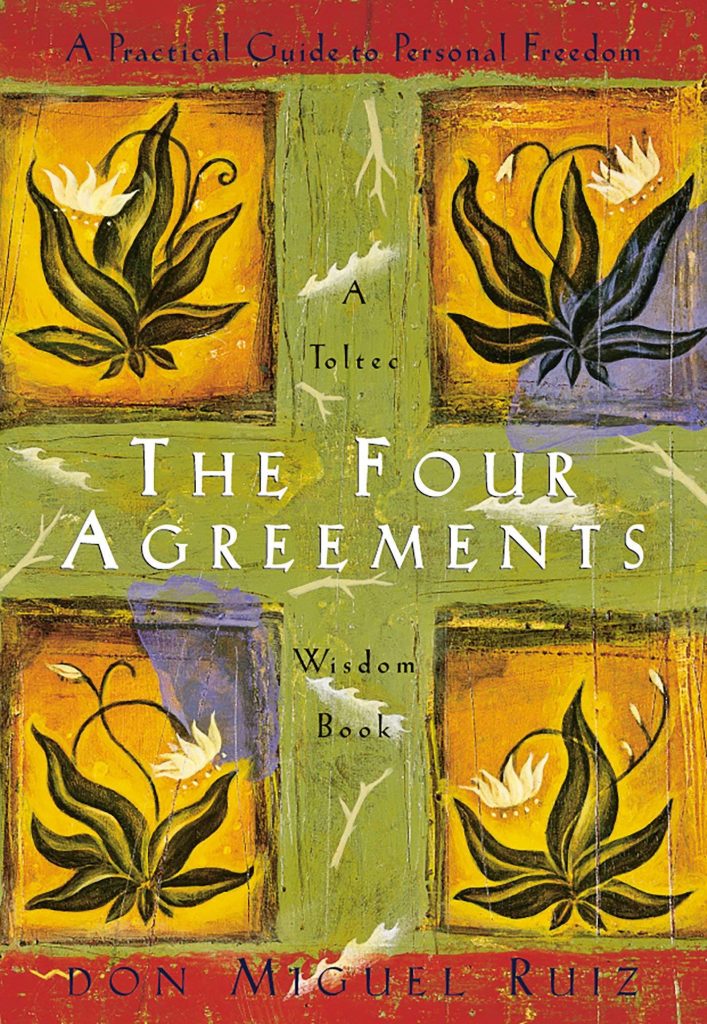
3. The Four Agreements — The Book That Quietly Changes Your Inner Dialogue
Some books transform people through complexity.
This one transforms people through simplicity.
Written by Don Miguel Ruiz, the book introduces four principles designed to reduce emotional suffering and create inner freedom:
- be impeccable with your word
- don’t take things personally
- don’t make assumptions
- always do your best
At first, the advice sounds almost too simple.
But then readers begin noticing how deeply these habits shape everyday suffering.
How often assumptions create anxiety.
How often people absorb criticism personally.
How often negative self-talk quietly damages peace of mind.
And suddenly, ordinary emotional patterns become visible in ways they never were before.
For many readers, the biggest mental shift comes from one specific realization:
Most people’s behavior reflects their own inner world — not your worth.
That idea alone can dramatically reduce insecurity, resentment, and overthinking.
The book feels almost like emotional decluttering for the mind.
Read This If:
- you overthink social situations
- other people’s opinions affect you deeply
- you struggle with inner peace
- you want simple but powerful mindset shifts
A Thought That Lingers After Reading:
Much of human suffering grows from stories the mind creates automatically.
4. Thinking, Fast and Slow — The Book That Makes You Distrust Your Own Brain
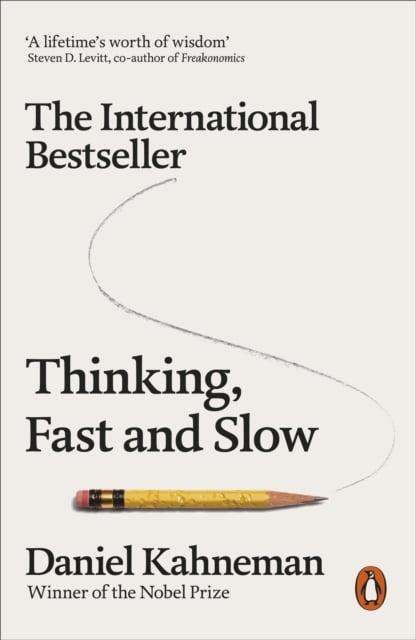
Most people believe they think logically.
This book quietly proves otherwise.
Written by Nobel Prize-winning psychologist Daniel Kahneman, the book explores the two systems driving human thought:
- fast, emotional, instinctive thinking
- slow, analytical, deliberate thinking
Through fascinating experiments and psychological insights, the book reveals how easily human judgment becomes distorted by bias, emotion, memory errors, and mental shortcuts.
What makes this book so mentally disruptive is how often readers recognize themselves inside the mistakes.
The irrational decisions.
The emotional assumptions.
The overconfidence.
Suddenly, you begin realizing how unreliable the mind can be under certain conditions.
And once you see those patterns, you cannot fully unsee them anymore.
The book changes how readers view:
- decision-making
- confidence
- intelligence
- risk
- memory
- human behavior
It creates a strange combination of humility and awareness.
Because after reading it, many people stop trusting every instinct automatically.
Read This If:
- psychology fascinates you
- you want to understand human decision-making
- you enjoy intellectually challenging books
- you want to think more clearly
A Thought That Lingers After Reading:
The human mind is brilliant — but far less objective than it believes itself to be.
5. Meditations — Ancient Wisdom That Changes Modern Minds
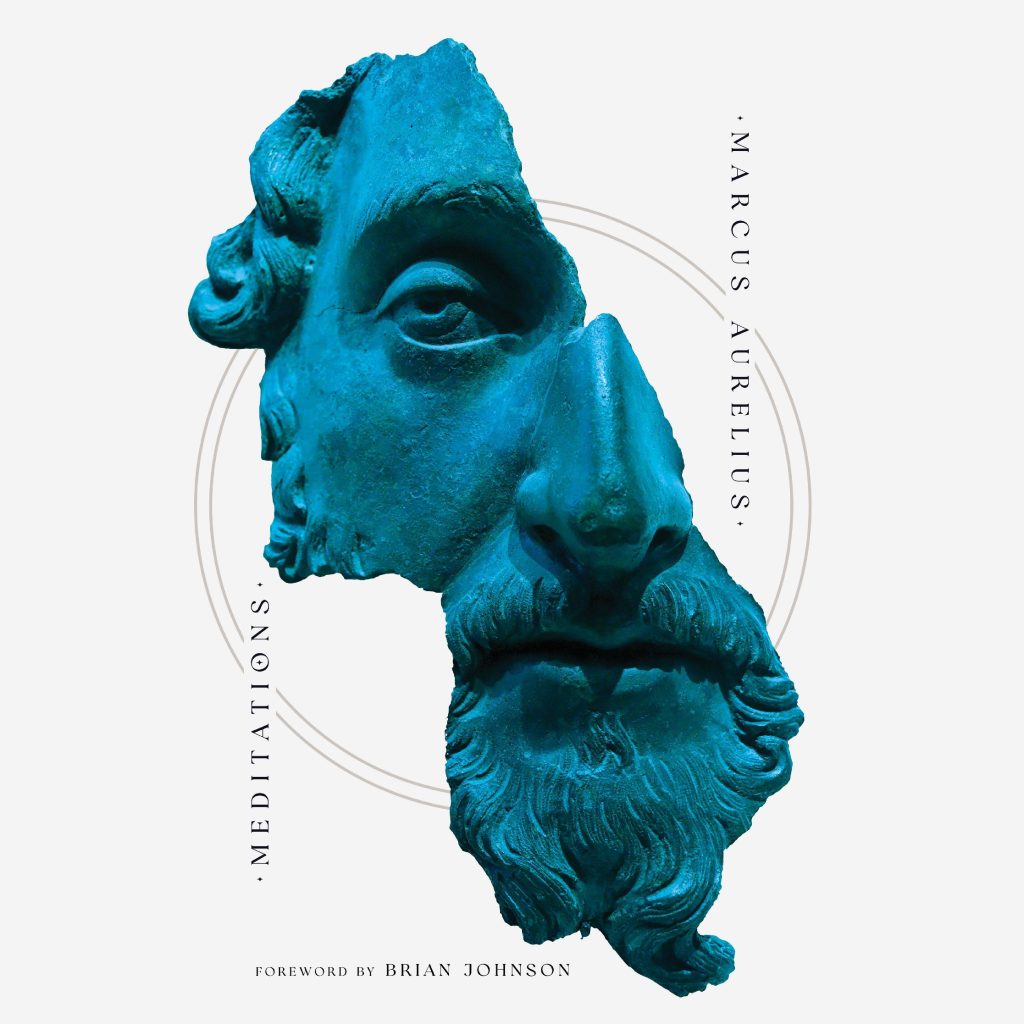
Some books survive thousands of years because human nature never changes as much as people think.
This is one of those books.
Written privately by Roman emperor Marcus Aurelius as personal reflections to himself, the book explores mortality, discipline, emotional control, ego, suffering, and the temporary nature of life.
What makes this book transformative is its emotional clarity.
Marcus repeatedly reminds himself:
- death is unavoidable
- praise is temporary
- external success means little without inner integrity
- peace comes from controlling your reactions, not controlling the world
For modern readers constantly overwhelmed by comparison, anxiety, and distraction, these ideas feel almost shockingly grounding.
The book strips life down to essentials.
And once readers internalize those perspectives, many everyday worries suddenly begin feeling smaller.
Not unimportant.
Just temporary.
Read This If:
- anxiety and overthinking consume your mind
- you seek emotional resilience
- you want deeper perspective on life
- modern life feels mentally overwhelming
A Thought That Lingers After Reading:
A peaceful mind often comes from accepting what cannot be controlled.
Why Certain Books Change People Permanently
Most information disappears quickly.
But transformative books affect identity itself.
They challenge:
- assumptions
- emotional patterns
- worldviews
- unconscious beliefs
And when beliefs change, behavior often changes afterward naturally.
That’s why readers remember these books for years.
Not because they contained perfect answers.
But because they permanently changed the questions readers asked themselves afterward.
Final Thoughts
A truly mind-changing book does not always make life easier immediately.
Sometimes it makes life more uncomfortable first.
Because growth often begins with seeing reality differently.
Seeing:
- your patterns differently
- your fears differently
- society differently
- yourself differently
And once certain perspectives enter your mind, your old worldview no longer fits the same way again.
That can feel unsettling.
But it can also feel freeing.
Because sometimes the biggest transformation in a person’s life begins quietly…
with a single sentence that changes the way they think forever.