Emotional exhaustion does not always arrive dramatically.
Sometimes it appears slowly.
You stop replying to messages as quickly.
Small tasks begin feeling heavier than they should.
You become tired in ways sleep cannot fix.
And eventually, even things you once loved start feeling emotionally distant.
The strange thing about emotional exhaustion is that many people continue functioning while silently drowning inside it.
They still show up.
Still smile politely.
Still say “I’m okay.”
But internally, their minds feel overcrowded.
Too many worries.
Too many responsibilities.
Too many emotions carried for too long without rest.
Some people become numb.
Some become irritable.
Some begin isolating themselves because explaining the heaviness feels impossible.
And perhaps the loneliest part is this:
Emotional exhaustion is often invisible.
Most people around you may never realize how deeply tired you actually are.
That’s why certain books feel almost medicinal during difficult seasons of life.
Not because they magically erase pain.
But because they slow your breathing down for a while.
They organize emotions into language.
They remind you that exhaustion does not make you weak.
Sometimes a book cannot heal you completely.
But it can help you feel less alone while healing.
And for emotionally exhausted people, that matters more than most realize.
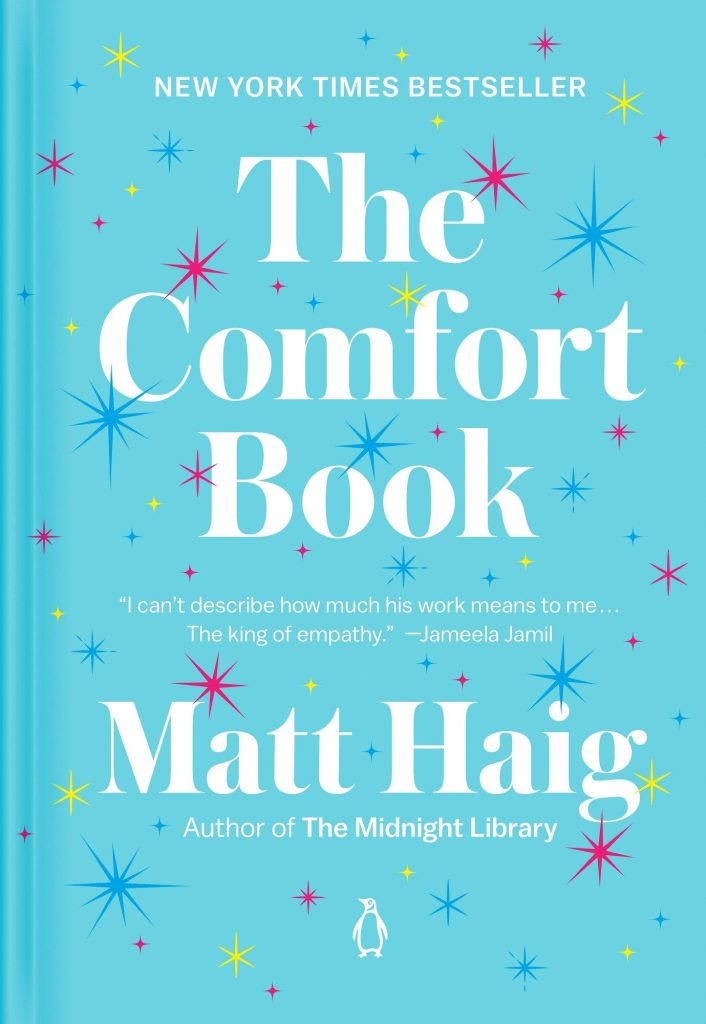
1. The Comfort Book — A Book That Feels Like Someone Sitting Beside You Quietly
There are books that try to impress readers with complexity.
And then there are books that simply try to comfort them.
This is one of those books.
Written during periods of anxiety, depression, and emotional struggle, Matt Haig created this book as a collection of reflections, observations, reminders, and small emotional truths about surviving difficult moments in life.
There is no complicated plot.
No dramatic structure.
Instead, the book feels like opening a window in a suffocating room.
One page reminds readers to slow down.
Another gently challenges hopeless thoughts.
Another speaks honestly about loneliness, fear, and mental exhaustion.
And somehow, the simplicity becomes healing.
Emotionally exhausted people often spend so much time trying to “hold themselves together” that they forget they deserve gentleness too.
This book constantly returns to that idea.
Not aggressively.
Not forcefully.
Quietly.
And sometimes quiet comfort reaches people more deeply than loud motivation ever could.
Read This If:
- life feels emotionally overwhelming lately
- your mind feels exhausted all the time
- you need comfort without toxic positivity
- you want something gentle during difficult seasons
A Thought That Lingers After Reading:
A softer life may heal parts of you that pressure never could.
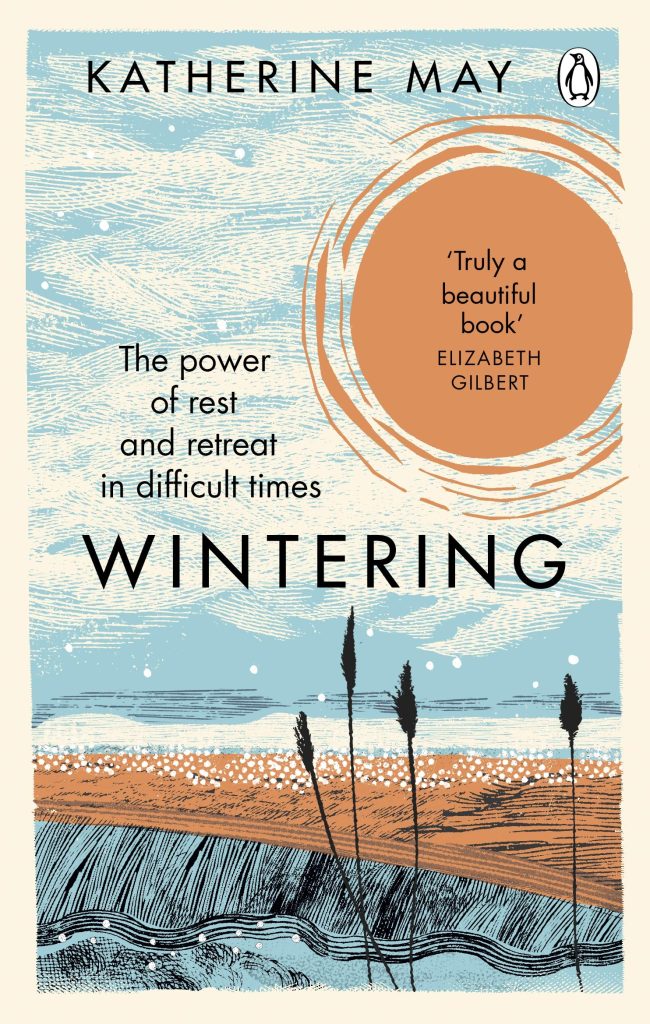
2. Wintering — For People Going Through Emotionally Difficult Seasons
Many people believe they must always be productive, positive, and emotionally strong.
So when difficult seasons arrive, they panic.
They think:
“Why can’t I function normally anymore?”
But this book introduces a deeply comforting idea:
Human beings naturally go through emotional winters.
Written by Katherine May, the book reflects on periods of illness, burnout, isolation, grief, and emotional exhaustion. Through personal stories and reflections on nature, the author explores the importance of retreat, rest, and emotional recovery during life’s hardest seasons.
What makes this book feel therapeutic is how beautifully it removes shame from slowing down.
It reminds readers that not every phase of life is meant for constant achievement.
Some seasons are meant for healing.
Some seasons are meant for survival.
Some seasons are simply meant for enduring quietly until warmth returns again.
For emotionally exhausted people, that perspective can feel profoundly relieving.
Because many are secretly punishing themselves for not functioning at full capacity anymore.
This book gently asks them to stop.
Read This If:
- you feel burned out emotionally
- life has felt unusually heavy lately
- you feel guilty for needing rest
- you’re struggling through a difficult season
A Thought That Lingers After Reading:
Not every season of life is meant for blooming.
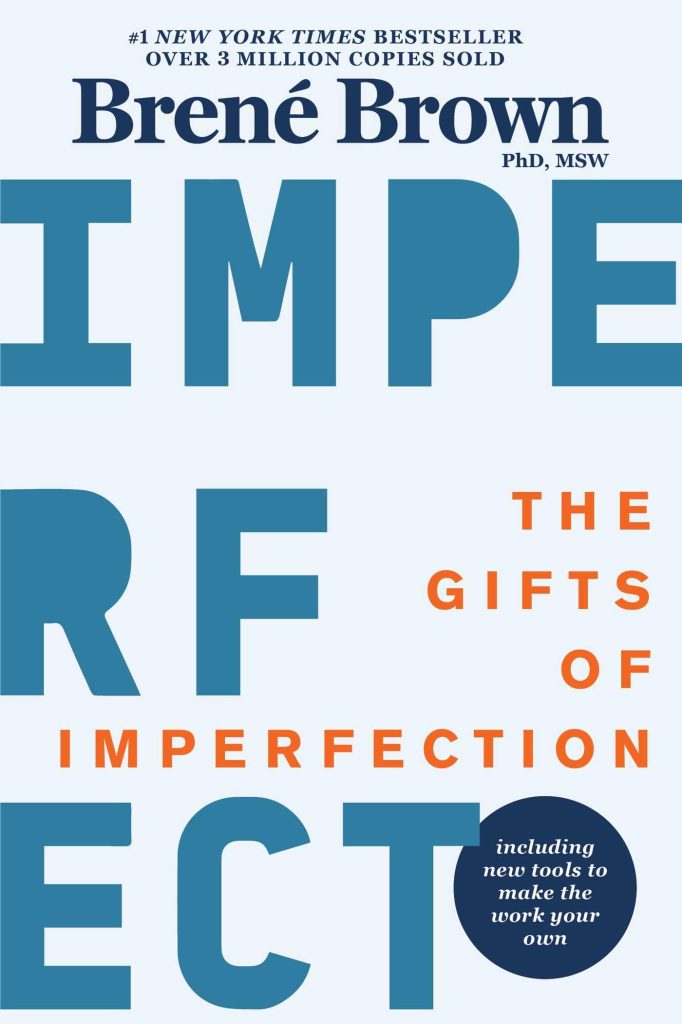
3. The Gifts of Imperfection — For People Exhausted By Trying To Be Enough
Some emotional exhaustion comes from overwork.
But another kind comes from constantly trying to earn worthiness.
Trying to be:
- productive enough
- likable enough
- successful enough
- perfect enough
Eventually, people become exhausted from performing versions of themselves designed to gain acceptance.
This book confronts that emotional burden directly.
Written by researcher Brené Brown, the book explores shame, vulnerability, perfectionism, and the exhausting human desire to feel worthy of love and belonging.
What makes this book resonate so deeply is how compassionate it feels.
It doesn’t shame readers for struggling.
Instead, it explains how perfectionism slowly disconnects people from themselves.
Emotionally exhausted readers often recognize their own lives immediately:
- overthinking every mistake
- fearing judgment constantly
- feeling guilty for resting
- believing they must “earn” love through achievement
And slowly, the book introduces a different possibility:
What if you were already worthy before proving anything?
For many people, that question alone feels emotionally life-changing.
Read This If:
- perfectionism is exhausting you
- you constantly feel “not enough”
- you struggle with shame or self-criticism
- you tie your worth to productivity
A Thought That Lingers After Reading:
You cannot hate yourself into becoming peaceful.
4. Tiny Beautiful Things — The Book That Feels Like Honest Human Conversation

There are moments when emotionally exhausted people do not want advice.
They want honesty.
Real honesty.
Messy honesty.
Human honesty.
This book provides exactly that.
Written by Cheryl Strayed, the book is a collection of deeply emotional responses to letters from strangers seeking guidance about heartbreak, grief, loneliness, addiction, regret, love, fear, and survival.
What makes this book unforgettable is its emotional rawness.
The responses are compassionate without feeling artificial.
Some are comforting.
Some are heartbreaking.
Some feel almost painfully true.
And somewhere while reading, you begin realizing how universal human suffering really is.
Everyone is trying to survive something.
Everyone is carrying invisible fears.
Everyone feels lost sometimes.
That realization becomes strangely comforting.
Because emotional exhaustion often convinces people they are isolated in their pain.
This book gently reminds them they are not.
Read This If:
- you feel emotionally alone
- you crave deeply human writing
- you need emotional reassurance without clichés
- life feels confusing or overwhelming
A Thought That Lingers After Reading:
Human beings survive partly by reminding one another they are not alone.
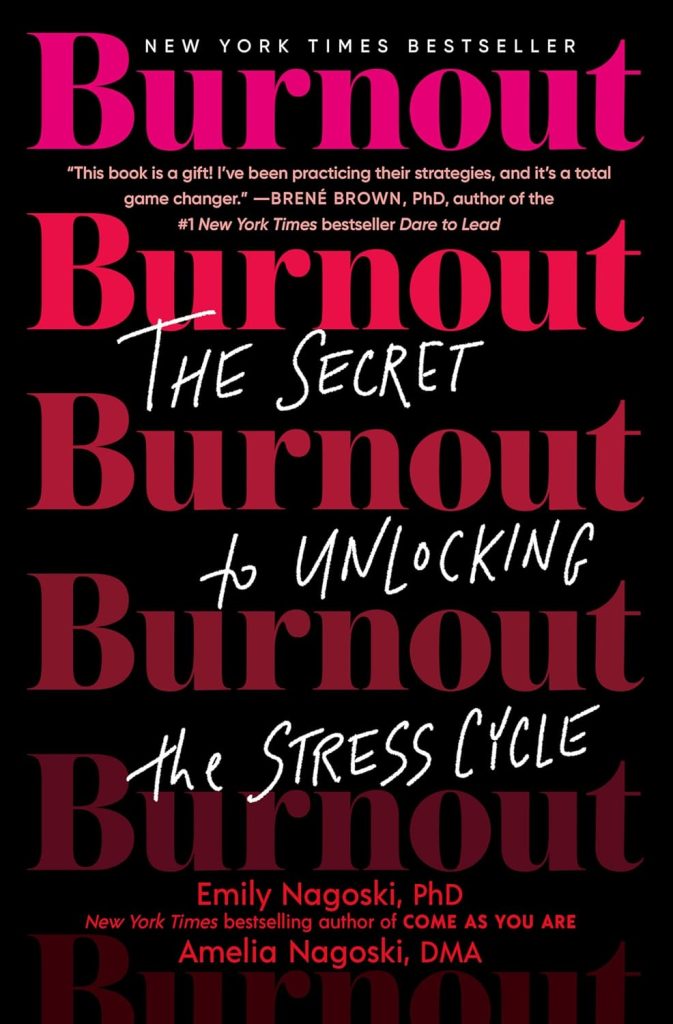
5. Burnout — The Book That Explains Why You Feel Constantly Drained
Some people keep pushing themselves long after their emotional reserves are empty.
They continue working.
Helping others.
Managing responsibilities.
But internally, their nervous systems never truly rest.
Eventually, exhaustion becomes chronic.
This book explores why.
Written by sisters Emily Nagoski and Amelia Nagoski, the book examines stress, emotional fatigue, societal pressure, and the biological reasons people struggle to recover from constant overwhelm.
What makes this book powerful is how validating it feels.
Many emotionally exhausted readers finally realize:
“I’m not weak. I’m depleted.”
That distinction matters deeply.
Because people often blame themselves for symptoms that are actually signs of chronic stress:
- irritability
- numbness
- exhaustion
- emotional shutdown
- lack of motivation
The book doesn’t simply tell readers to “rest more.”
It helps explain why their bodies and minds feel trapped in survival mode.
And understanding that changes how people treat themselves.
Read This If:
- you constantly feel emotionally drained
- stress never seems to leave your body
- you feel stuck in survival mode
- burnout has made life feel heavy
A Thought That Lingers After Reading:
A human being cannot continuously pour from an empty emotional reservoir.
Why Emotionally Exhausted People Often Feel So Alone
Emotional exhaustion is difficult because it often lacks visible proof.
People can see a broken arm.
They cannot always see:
- emotional overload
- mental fatigue
- silent burnout
- internal heaviness
So many exhausted people continue carrying impossible emotional weight quietly.
And over time, they stop asking for help because they fear sounding dramatic.
That silence becomes its own kind of loneliness.
That’s why books matter so much during difficult seasons.
Books create emotional companionship.
They remind readers that:
- rest is human
- exhaustion is real
- softness is necessary
- struggling does not make someone weak
Sometimes those reminders arrive exactly when people need them most.
Final Thoughts
Emotionally exhausted people often believe they need to become stronger.
But sometimes they do not need more strength.
Sometimes they need:
- rest
- gentleness
- understanding
- permission to slow down
Healing does not always look dramatic.
Sometimes it looks like:
- sleeping longer
- saying no
- breathing deeply again
- crying honestly
- reading words that finally make you feel understood
And perhaps that is why certain books stay with people forever.
Because during seasons where life felt unbearably heavy…
those books helped carry part of the weight.