One of the most exhausting ways to live is constantly imagining yourself through other people’s eyes.
You begin editing your personality before speaking.
Overthinking harmless conversations.
Feeling embarrassed for existing too loudly… or too quietly.
And slowly, without noticing, your entire life starts revolving around approval.
You dress according to what feels acceptable.
Speak according to what sounds safe.
Dream according to what feels socially understandable.
Meanwhile, the real version of yourself grows quieter and quieter underneath it all.
That is what makes caring too much about people’s opinions so emotionally draining.
It disconnects people from themselves.
And the worst part is that many people do not even realize how much of their identity has been shaped by fear of judgment until one day they feel completely lost.
They wake up exhausted from performing.
Exhausted from trying to be liked.
Trying to avoid criticism.
Trying to make everyone comfortable at the expense of their own peace.
That’s why certain books feel deeply freeing.
Not because they magically remove insecurity forever.
But because they slowly help readers understand something powerful:
Most people are too busy struggling with their own lives to judge yours as deeply as you fear.
And the people who do judge constantly were never going to give you peace anyway.
These books are not about becoming cold or arrogant.
They are about reclaiming your emotional freedom.
Learning how to exist honestly.
Speak honestly.
Live honestly.
Without feeling like your worth depends on applause.
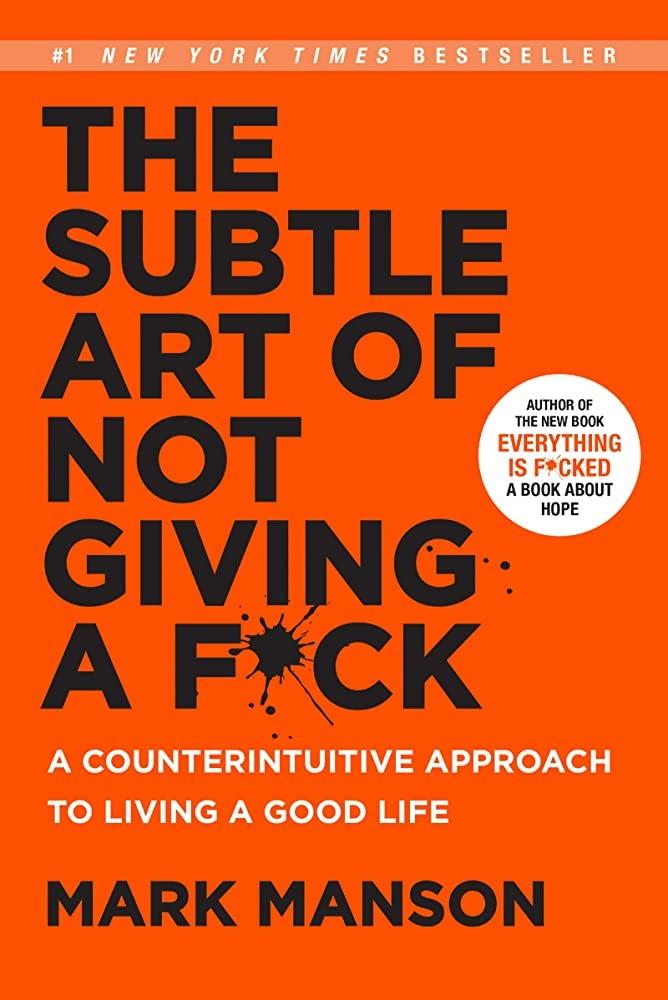
1. The Subtle Art of Not Giving a F*ck — The Book That Challenges Your Need For Constant Approval
Many people spend their lives trying to avoid discomfort.
Avoid rejection.
Avoid criticism.
Avoid disappointing others.
And in the process, they become emotionally trapped.
This book confronts that trap directly.
Written by Mark Manson, the book argues that human beings have limited emotional energy, and wasting it obsessing over every opinion, mistake, or social expectation quietly destroys peace of mind. Through blunt humor, psychology, and deeply human reflections, the book challenges readers to stop trying to be universally liked and instead focus on what genuinely matters to them.
What makes this book resonate so strongly is how honest it feels.
It exposes the exhausting reality of constantly chasing validation.
The endless overthinking.
The fear of saying the wrong thing.
The desperate desire to appear impressive.
And somewhere during the book, readers begin realizing something uncomfortable:
Trying to make everyone approve of you is its own form of emotional imprisonment.
The book repeatedly reminds readers that criticism is unavoidable.
No matter how kind, talented, attractive, or careful you become, somebody will still misunderstand you.
And strangely, that realization becomes freeing.
Because once you accept that universal approval is impossible, you stop sacrificing your identity trying to achieve it.
Read This If:
- you overthink how people perceive you
- criticism affects you deeply
- you struggle with people-pleasing
- you constantly seek validation
A Thought That Lingers After Reading:
Peace often begins when approval stops being your primary goal.
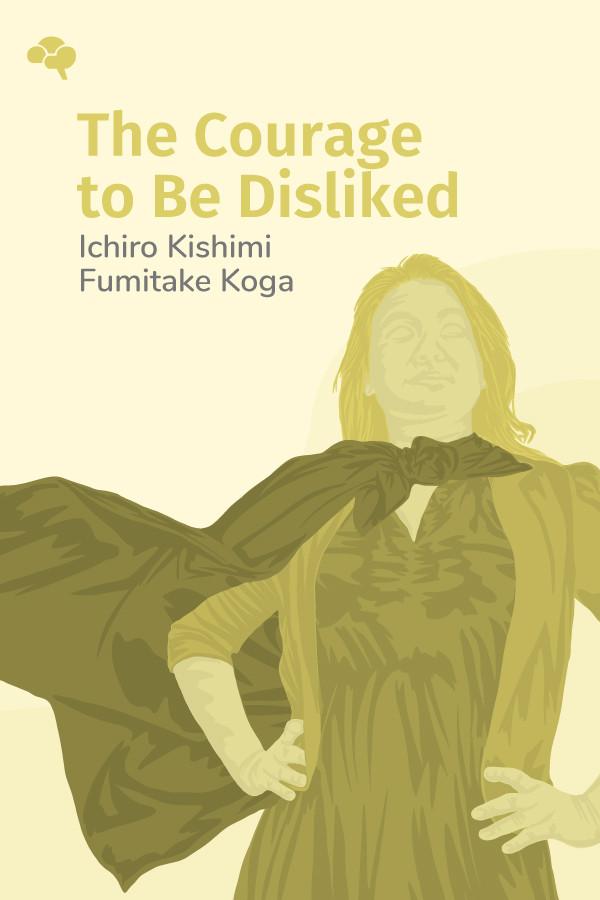
2. The Courage to Be Disliked — The Book That Completely Reframes Human Approval
Many people secretly believe:
“If people dislike me, something must be wrong with me.”
This book dismantles that belief completely.
Written as a conversation between a philosopher and a frustrated young man, the book explores ideas inspired by psychologist Alfred Adler about freedom, happiness, relationships, and self-worth. Throughout the discussions, the philosopher repeatedly challenges the idea that human value should depend on external approval.
At first, the ideas feel almost shocking.
The book suggests:
- you cannot control what others think of you
- seeking universal approval destroys freedom
- living honestly may naturally disappoint some people
For people who have spent years shaping themselves around acceptance, these ideas feel deeply uncomfortable.
But also strangely liberating.
Because many readers slowly realize how much of their anxiety comes from trying to manage other people’s perceptions constantly.
The book asks difficult questions:
- What if you stopped living for applause?
- What if being disliked sometimes meant you were finally living honestly?
- What if freedom required disappointing people occasionally?
Those questions linger long after the final page.
Read This If:
- fear of judgment controls your decisions
- you constantly seek external validation
- you feel trapped by other people’s expectations
- social approval affects your self-worth deeply
A Thought That Lingers After Reading:
A life built entirely around approval eventually stops feeling like your own.
3. Untamed — For People Exhausted By Performing Versions Of Themselves

Some people become so skilled at pleasing others that they lose connection with who they actually are.
They become:
- agreeable
- accommodating
- emotionally filtered
Not because it feels authentic.
But because authenticity once felt unsafe.
This memoir explores what happens when someone finally stops living according to everyone else’s expectations.
Written by Glennon Doyle, the book follows her journey through marriage, motherhood, identity, anxiety, societal pressure, and the painful process of rediscovering her real self beneath years of performance and people-pleasing.
What makes this book emotionally powerful is how deeply many readers recognize themselves inside it.
Especially women and sensitive people who learned early in life that being lovable often meant being convenient for others.
The book repeatedly returns to one emotional truth:
A person cannot feel internally peaceful while constantly abandoning themselves for acceptance.
And for readers exhausted from performing socially acceptable versions of themselves, that realization feels both heartbreaking and freeing.
Read This If:
- you struggle to say no
- you constantly prioritize other people’s comfort
- you fear disappointing others
- you feel disconnected from your authentic self
A Thought That Lingers After Reading:
The real cost of constant approval-seeking is often self-abandonment.
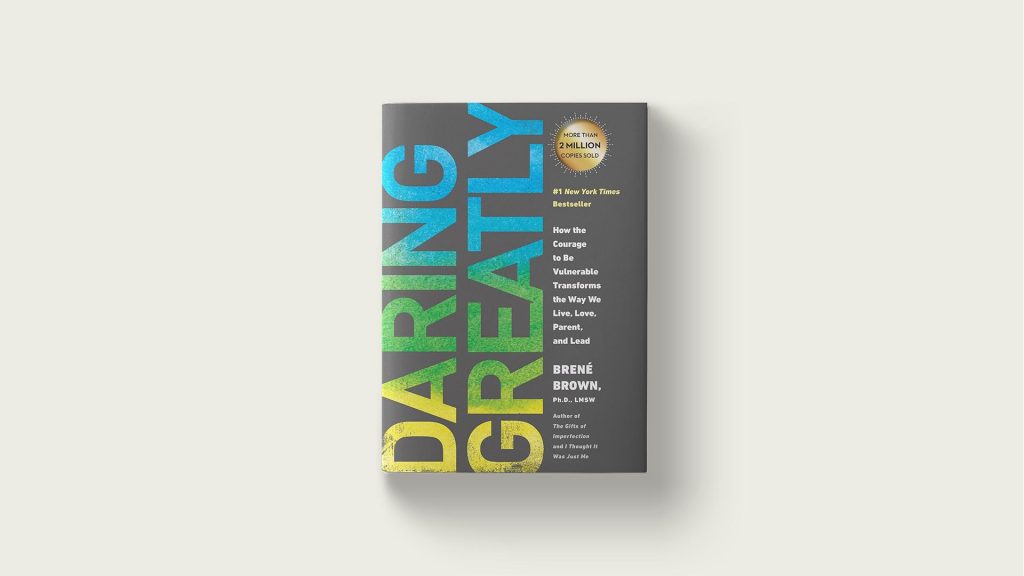
4. Daring Greatly — The Book That Helps You Stop Hiding Yourself
Many people think vulnerability is weakness.
So they hide:
- emotions
- imperfections
- fears
- desires
They become emotionally guarded because judgment feels terrifying.
But eventually, hiding becomes exhausting too.
Written by researcher Brené Brown, this book explores shame, vulnerability, courage, and the emotional damage created by constantly trying to appear perfect in front of others.
What makes this book resonate deeply is how accurately it captures the fear of being truly seen.
The fear that if people fully knew you, they might reject you.
And because of that fear, many people spend years performing polished versions of themselves instead of living honestly.
The book gently challenges that pattern.
Not by encouraging recklessness.
But by reminding readers that genuine connection only becomes possible when people stop hiding constantly.
For many readers, the book feels like permission to finally exhale.
Read This If:
- you fear being judged for who you truly are
- you hide parts of yourself socially
- perfectionism controls your behavior
- vulnerability feels terrifying
A Thought That Lingers After Reading:
You cannot experience deep connection while constantly pretending.
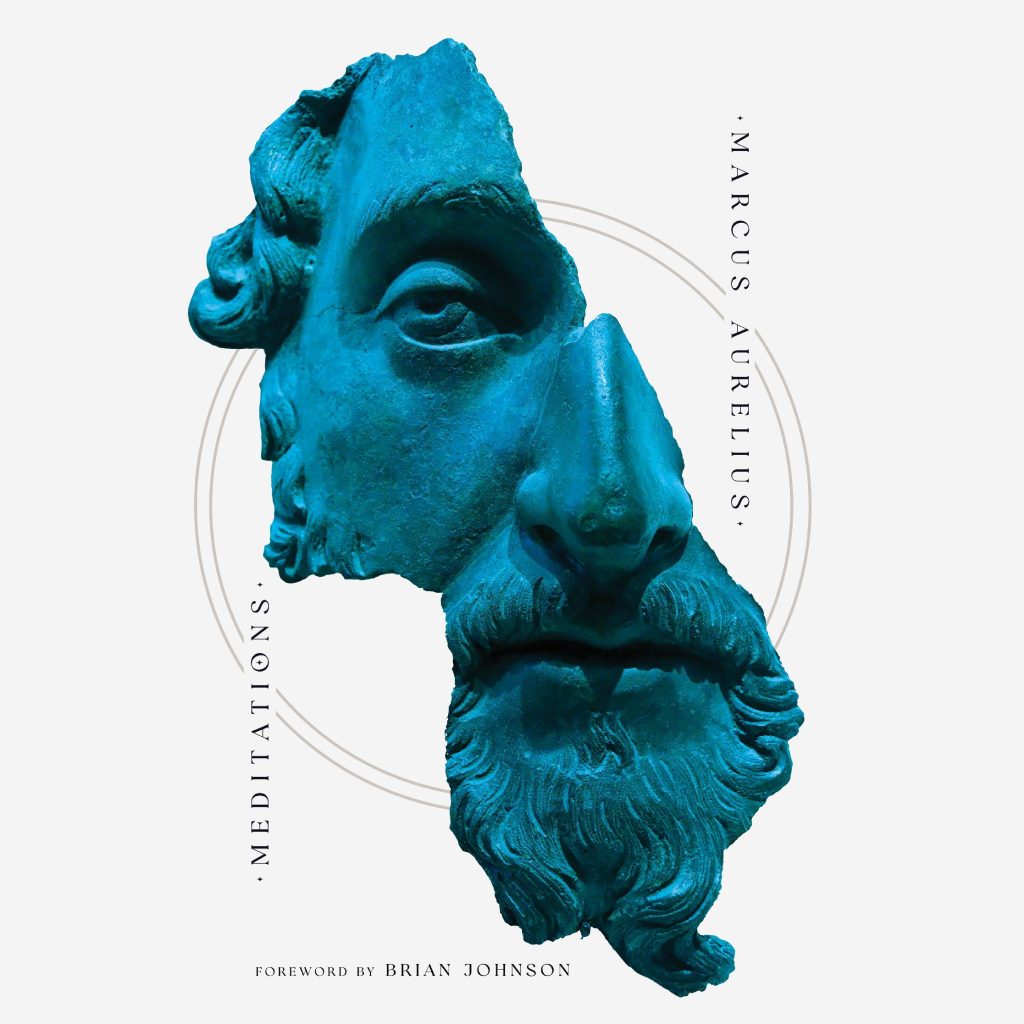
5. Meditations — Ancient Wisdom For Modern Insecurity
Long before social media made comparison unavoidable, humans were already struggling with fear of judgment.
This book quietly reminds readers that insecurity is not new.
Written by Roman emperor Marcus Aurelius as private reflections to himself, the book explores mortality, self-control, emotional resilience, criticism, ego, and inner peace through the lens of Stoic philosophy.
What makes this book powerful for insecure readers is its emotional clarity.
Again and again, Marcus reminds himself:
- people’s opinions change constantly
- external validation is unstable
- peace must come from within
The book repeatedly encourages readers to focus on character rather than reputation.
On integrity rather than applause.
And for people emotionally exhausted from caring what everyone thinks, those reminders feel grounding.
Because insecurity often grows strongest when people build their identity entirely around external perception.
This book gently redirects attention inward instead.
Read This If:
- social comparison drains you
- criticism affects your confidence deeply
- you want stronger emotional resilience
- you seek internal peace instead of external approval
A Thought That Lingers After Reading:
The opinions of others become less frightening once your self-worth stops depending on them.
Why Caring Too Much About Opinions Becomes Emotionally Exhausting
Human beings naturally want acceptance.
That part is normal.
But problems begin when approval becomes survival.
When:
- rejection feels catastrophic
- criticism ruins entire days
- self-worth depends on praise
- authenticity feels dangerous
At that point, people stop living freely.
They become performers instead.
Constantly monitoring themselves.
Constantly adjusting themselves.
Constantly shrinking parts of themselves to remain acceptable.
That emotional pressure slowly becomes exhausting.
Because no human being can feel peaceful while constantly auditioning for acceptance.
And perhaps the most healing realization these books offer is this:
You were never meant to be understood perfectly by everyone.
No one is.
Final Thoughts
There is freedom in realizing that people’s opinions are often reflections of their own fears, preferences, experiences, and insecurities — not objective measurements of your worth.
Some people will misunderstand you.
Some will judge you unfairly.
Some will dislike you no matter how carefully you behave.
And strangely, accepting that becomes incredibly peaceful.
Because once you stop trying to control everyone’s perception of you, you finally regain energy for something far more important:
Actually living your life.
Not the performance of it.
Not the socially approved version of it.
Your real life.
And sometimes, the right book helps you remember that you were never supposed to sacrifice yourself just to feel accepted.