

There’s a certain type of intelligence that rarely announces itself loudly.
It’s not always the person talking the most.
Or the person trying hardest to sound impressive.
Often, truly intelligent people are quieter observers.
They think deeply before speaking.
Question assumptions automatically.
Notice patterns other people miss.
And one thing many of them have in common is this:
They read books that fundamentally change the way they think.
Not just books that make them feel productive.
Not shallow “life hacks.”
Not recycled motivational advice.
But books that sharpen perception.
Books that challenge the mind.
Books that expose hidden systems beneath society, psychology, power, history, and human behavior.
The strange thing is that many of these books are not constantly trending on social media.
They spread differently.
Quietly.
Recommended in conversations between thoughtful people.
Passed from one curious mind to another.
The kind of books that leave readers staring at the ceiling afterward because their worldview shifted slightly.
These are the books people often read privately… and think about publicly for years.
1. The 48 Laws of Power — The Book That Changes How You See Human Behavior
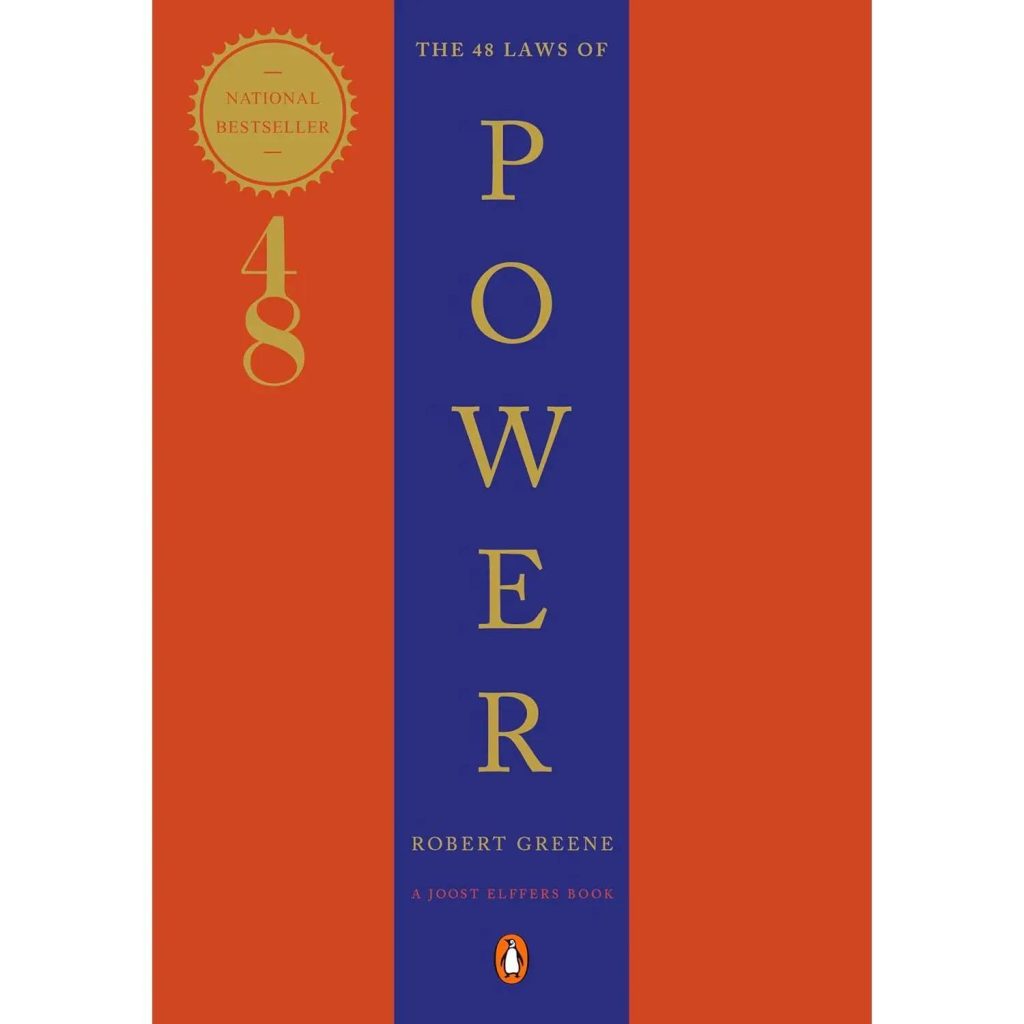
Most people move through life assuming everyone operates honestly.
This book completely destroys that innocence.
Written by Robert Greene, the book examines power dynamics throughout history using stories from politics, war, leadership, manipulation, strategy, and human ambition. Each “law” explores recurring patterns in how influence and control operate beneath social interaction.
What makes this book unforgettable is not that it teaches manipulation.
It’s that it reveals how manipulation already exists everywhere.
After reading it, readers begin noticing:
- ego battles
- status games
- strategic flattery
- hidden motives
- social positioning
Everywhere.
In workplaces.
Friendships.
Politics.
Online culture.
And once those patterns become visible, people rarely see human interaction the same way again.
Some readers love the book.
Some feel disturbed by it.
But almost nobody forgets it.
Read This If:
- psychology and strategy fascinate you
- you want to understand power dynamics
- human behavior interests you deeply
- you enjoy intellectually provocative books
A Thought That Lingers After Reading:
Human behavior is often driven by invisible desires for status, control, and influence.
2. Antifragile — The Book That Makes You Think Differently About Failure

Most people try to build lives that avoid uncertainty completely.
This book argues that’s impossible.
And worse:
avoiding difficulty too much can actually weaken people over time.
Written by thinker and former trader Nassim Nicholas Taleb, the book introduces the concept of “antifragility” — the idea that certain systems, people, and ideas become stronger through stress, randomness, and volatility rather than weaker.
At first, the concept feels abstract.
Then it becomes deeply personal.
Readers begin questioning modern life itself:
- comfort addiction
- overprotection
- fear of failure
- rigid planning
- dependency on certainty
The book challenges the assumption that safety always equals growth.
And for many readers, that realization becomes mentally transformative.
Because suddenly setbacks stop feeling purely destructive.
They begin looking like part of strengthening itself.
Read This If:
- you fear uncertainty or failure
- you enjoy unconventional thinking
- philosophy and psychology fascinate you
- you want books that challenge modern assumptions
A Thought That Lingers After Reading:
Some things break under pressure. Others become stronger because of it.
3. Meditations — The Ancient Book Smart People Never Stop Returning To
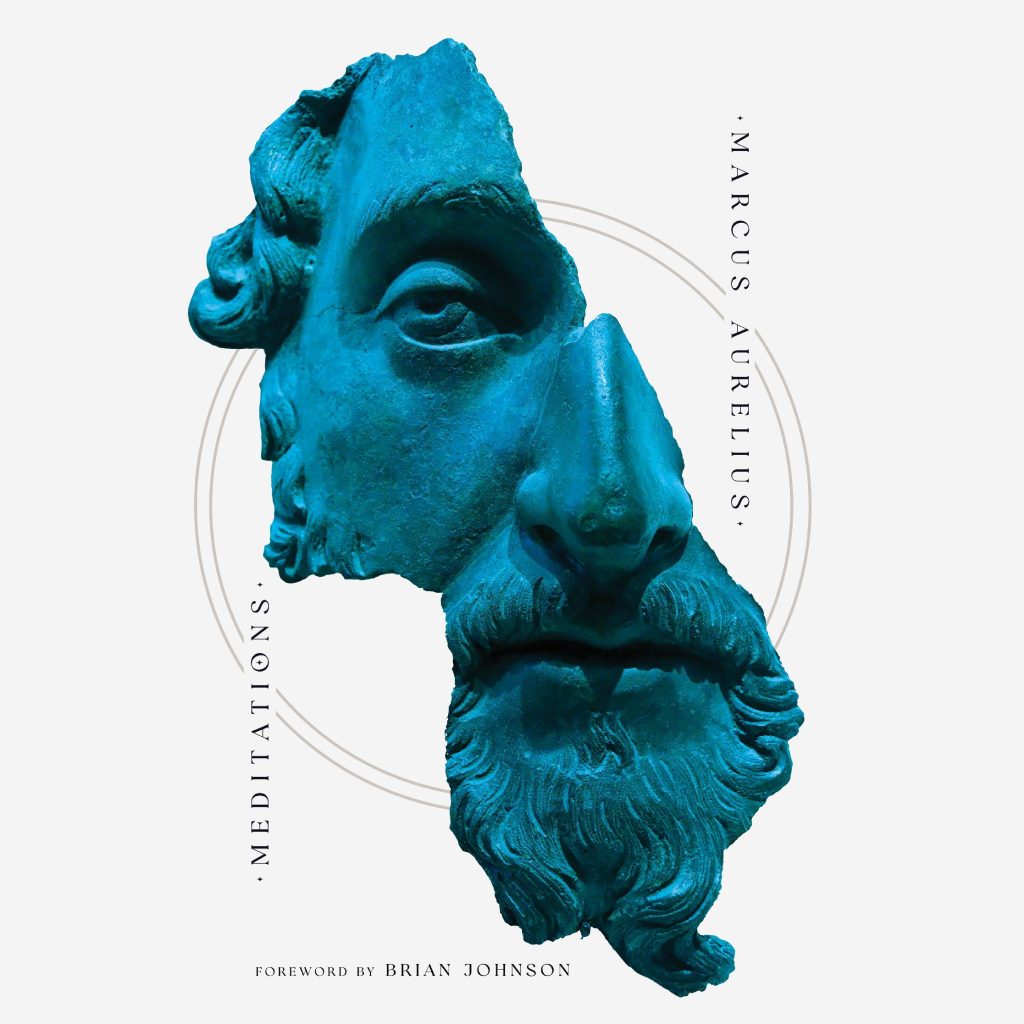
Some books survive for centuries because human beings never stop needing their wisdom.
This is one of those books.
Written privately by Roman emperor Marcus Aurelius, the book contains personal reflections about discipline, mortality, emotional control, ego, suffering, and inner peace.
What makes this book remarkable is how modern it still feels emotionally.
Marcus constantly reminds himself:
- external praise means little
- death is unavoidable
- emotional reactions shape suffering
- people waste enormous energy chasing things they cannot control
For intelligent readers, the book feels grounding.
It strips away unnecessary noise.
And in a world filled with distraction, comparison, and endless stimulation, that clarity feels almost revolutionary.
The book does not try to impress readers emotionally.
It quietly teaches them how to think more calmly.
Read This If:
- you overthink constantly
- philosophy interests you
- you seek emotional resilience
- modern life feels mentally overwhelming
A Thought That Lingers After Reading:
Inner peace often begins by accepting how little we truly control.
4. The Psychology of Money — The Book That Changes How You Understand Wealth
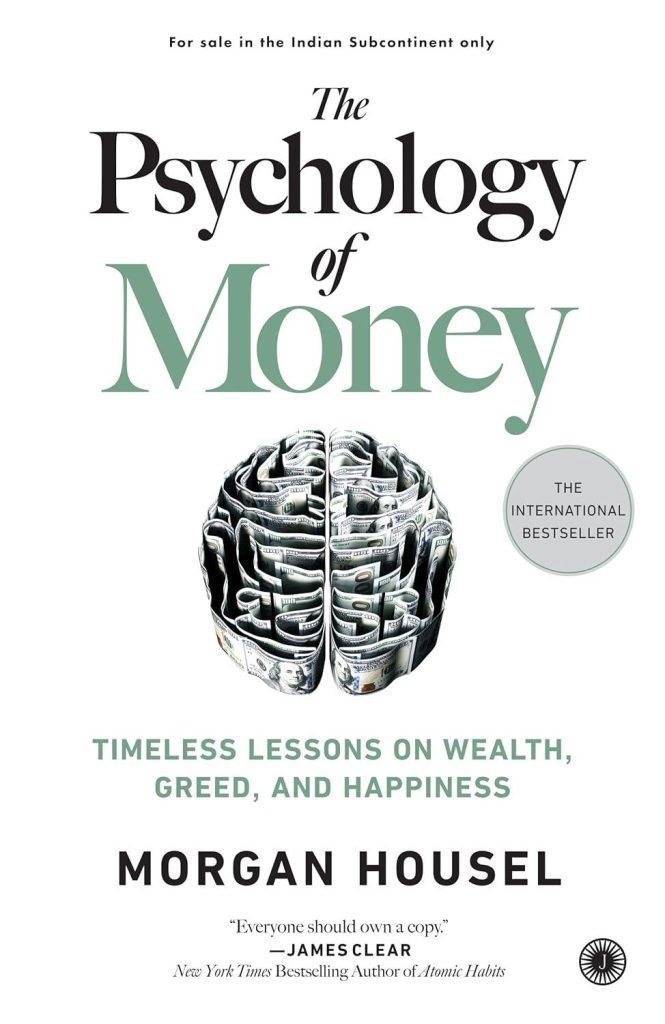
Most people think money is mainly about math.
This book argues it is mostly about behavior.
Written by financial writer Morgan Housel, the book explores how emotions, ego, fear, insecurity, greed, and personal history shape financial decisions far more than intelligence alone.
What makes this book so powerful is that it applies to life far beyond money itself.
Readers begin realizing:
- people define success differently
- comparison destroys satisfaction
- enough is a psychological concept, not just a financial one
- intelligent decisions are not always emotionally easy decisions
The book feels less like financial advice and more like a study of human nature.
And many readers walk away viewing wealth, ambition, and happiness completely differently afterward.
Read This If:
- human behavior fascinates you
- you want healthier perspectives on success
- you enjoy psychologically insightful nonfiction
- you think deeply about money and happiness
A Thought That Lingers After Reading:
Wealth often depends less on intelligence than on emotional behavior repeated consistently.
5. Sapiens — The Book That Makes Civilization Feel Strange
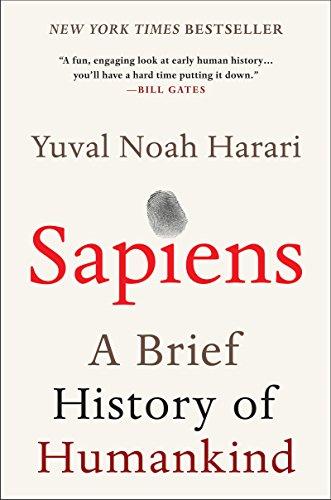
Intelligent readers often love books that create distance from ordinary assumptions.
This book does exactly that.
Written by historian Yuval Noah Harari, the book traces human history from early hunter-gatherers to modern civilization while exploring how collective beliefs shaped society itself.
After reading it, readers begin questioning things they once accepted automatically:
- money
- nations
- religion
- capitalism
- social structures
- modern lifestyles
The book repeatedly reveals how many systems humans treat as “natural” are actually shared stories created collectively over time.
That perspective changes the scale of thinking entirely.
And once readers internalize that perspective, the modern world starts feeling both fascinating and strangely artificial at the same time.
Read This If:
- you love big-picture thinking
- history and psychology interest you
- you enjoy intellectually expansive books
- you constantly question society
A Thought That Lingers After Reading:
Human civilization is built largely on shared stories people collectively agree to believe.
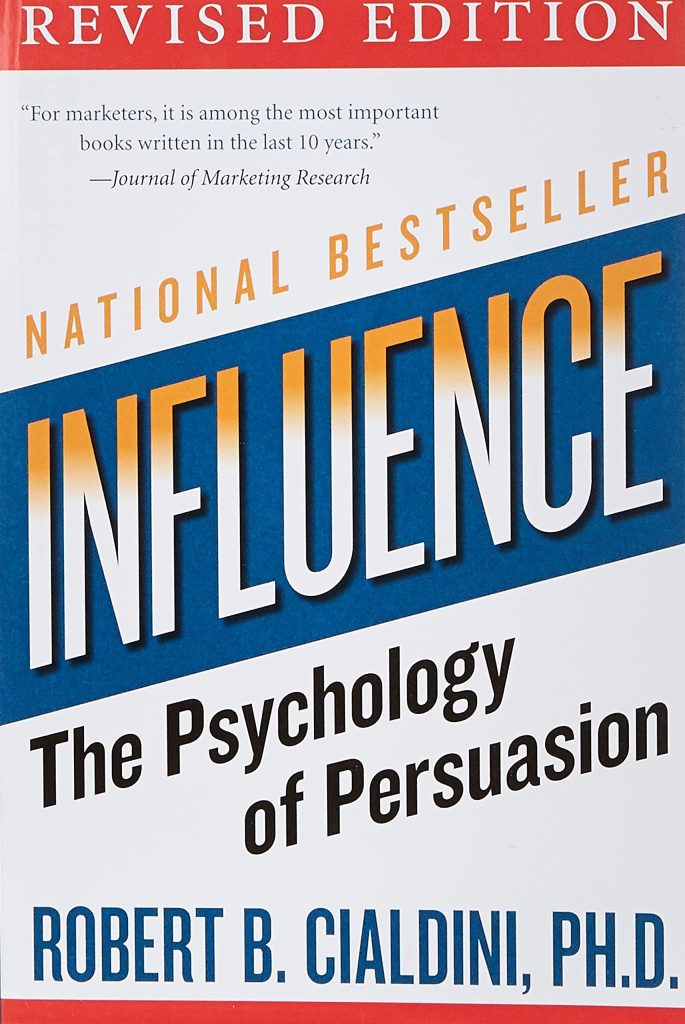
6. Influence: The Psychology of Persuasion — The Book That Reveals Why People Say Yes
Smart people often become obsessed with understanding influence.
Why humans follow crowds.
Why marketing works.
Why authority affects behavior so strongly.
This book breaks those patterns down brilliantly.
Written by psychologist Robert Cialdini, the book explores the psychological triggers behind persuasion, including scarcity, reciprocity, social proof, authority, and commitment.
What makes this book addictive is how quickly readers begin recognizing these tactics in real life.
Advertisements suddenly look different.
Social media suddenly feels more manipulative.
Even ordinary conversations begin revealing hidden persuasion patterns.
And once you understand influence psychologically, it becomes difficult not to see it everywhere.
Read This If:
- psychology fascinates you
- you want to understand persuasion deeply
- human behavior interests you
- you enjoy books that sharpen awareness
A Thought That Lingers After Reading:
People often believe they are thinking independently while being influenced constantly.
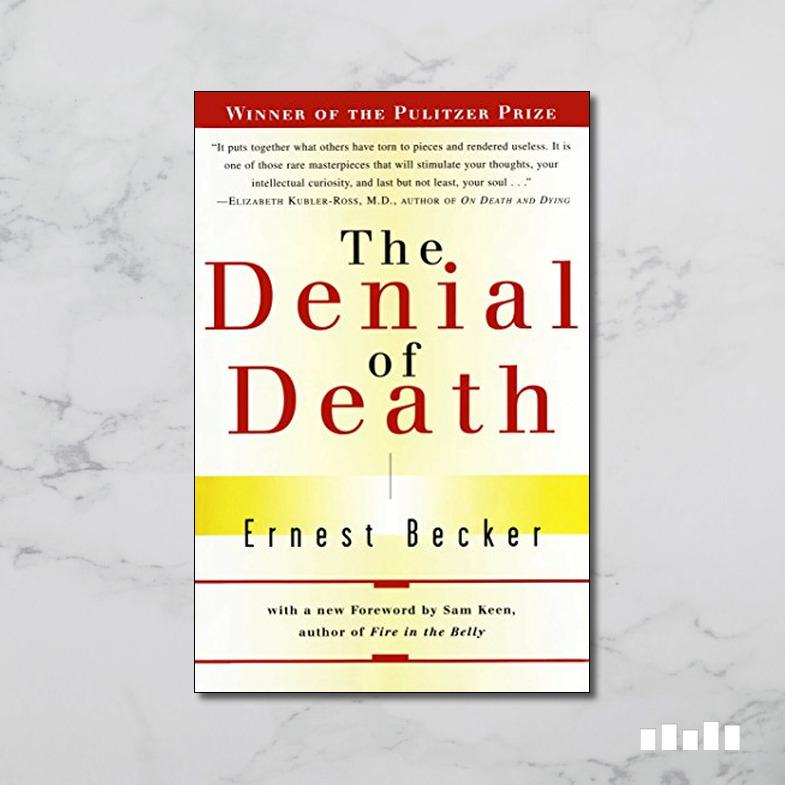
7. The Denial of Death — The Deep Psychological Book That Quietly Changes Everything
This is the kind of book people rarely describe as “easy.”
But they also rarely forget it.
Written by cultural anthropologist Ernest Becker, the book explores one haunting psychological idea:
Much of human behavior is shaped by unconscious fear of mortality.
Achievement.
Status.
Legacy.
Religion.
Ego.
Ambition.
The book argues that many human systems are attempts to escape the terror of death psychologically.
It’s a deeply philosophical and psychologically intense read.
But for thoughtful readers, it becomes unforgettable.
Because once the idea enters your mind, you begin seeing traces of it everywhere in human behavior.
Read This If:
- existential psychology fascinates you
- you enjoy intellectually heavy books
- philosophy and human behavior interest you
- you want books that permanently shift perspective
A Thought That Lingers After Reading:
Many human struggles may secretly begin with fear of impermanence itself.
Why Intelligent Readers Love These Kinds Of Books
Smart readers are rarely searching only for entertainment.
They are searching for:
- perspective
- deeper understanding
- mental clarity
- hidden patterns
- uncomfortable truths
The best intellectual books do not simply provide information.
They sharpen perception itself.
After reading them:
- conversations feel different
- society looks different
- human behavior becomes more visible
- your own thinking becomes more self-aware
That mental shift becomes addictive.
Because once someone experiences a book that genuinely expands the way they think, shallow content starts feeling empty afterward.
Final Thoughts
The most transformative books are not always the loudest or trendiest ones.
Often they spread quietly.
From one curious reader to another.
Because truly mind-expanding books create a specific feeling that intelligent readers never forget:
The feeling that the world just became slightly larger, stranger, and more understandable all at once.
And once a book gives someone that feeling…
they spend years searching for it again.