Overthinking rarely looks dangerous from the outside.
Most of the time, it looks like someone lying awake at 2AM replaying conversations that ended hours ago.
It looks like rereading text messages before sending them.
Second-guessing every decision.
Imagining worst-case scenarios that may never happen.
Feeling mentally exhausted even after doing nothing physically demanding.
And perhaps the hardest part is this:
Overthinkers are often deeply self-aware people.
They notice everything.
Every tone shift.
Every awkward silence.
Every possibility.
Their minds are constantly trying to predict pain before it arrives.
But eventually, a brain that never stops analyzing also forgets how to rest.
That’s why certain books feel incredibly comforting to overthinkers.
Not because they magically silence anxiety overnight…
…but because they finally explain what’s happening inside your mind.
Some of these books help untangle racing thoughts.
Some challenge the fears quietly controlling your life.
And some simply remind you that you are not alone in the exhausting experience of thinking too much about everything.
If your mind feels loud lately, these books may help you breathe again.
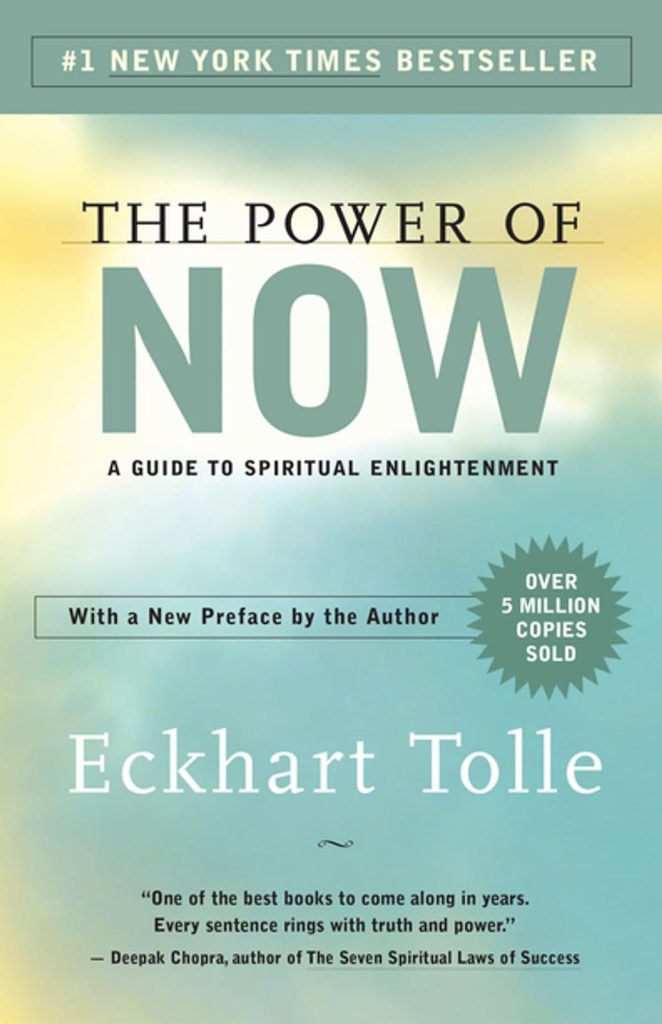
1. The Power of Now — For People Trapped Inside Their Own Thoughts
Most overthinkers live in one of two places:
The past.
Or the future.
They replay old mistakes endlessly.
Or mentally prepare for disasters that haven’t even happened yet.
Very rarely do they fully exist in the present moment.
That is the emotional struggle at the center of this book.
Written by spiritual teacher Eckhart Tolle, the book explores how human suffering is often intensified by compulsive thinking. Through simple but powerful reflections, it encourages readers to separate themselves from the nonstop voice inside their head and reconnect with the present moment instead.
At first, the ideas may seem almost too simple.
But then something unsettling happens while reading:
You begin noticing how rarely your mind is ever quiet.
You realize how much of your life has been consumed by mental noise.
The constant worrying.
The imaginary arguments.
The fear of future pain.
And slowly, the book introduces a deeply calming idea:
You are not every thought you think.
For overthinkers, that realization can feel life-changing.
Because many people spend years believing their anxious thoughts are objective truth.
This book gently teaches otherwise.
Read This If:
- your brain never seems to slow down
- you constantly replay conversations
- you struggle to stay present
- your thoughts emotionally exhaust you
A Thought That Lingers After Reading:
Peace may begin the moment you stop believing every thought deserves your attention.
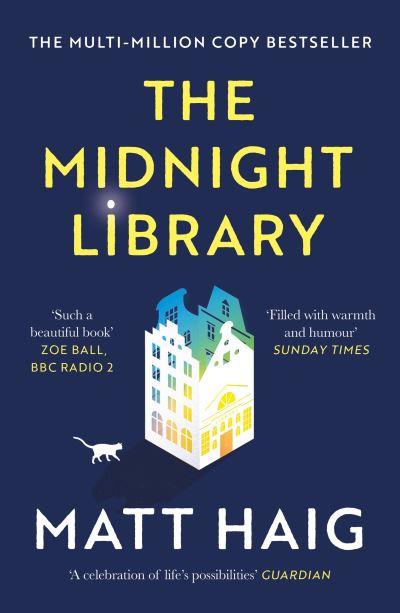
2. The Midnight Library — For People Haunted By “What If”
Overthinking often disguises itself as regret.
You revisit old decisions repeatedly, wondering whether different choices would have created a happier life.
What if I had stayed?
What if I had left sooner?
What if I ruined everything?
Eventually, your mind becomes trapped inside alternate realities.
This novel enters that exact emotional space.
The story follows Nora Seed, a woman overwhelmed by despair and regret who finds herself in a mysterious library between life and death. Every book inside contains a different version of her life based on choices she could have made differently. As she explores these alternate realities, Nora slowly confronts the painful illusion that somewhere out there exists a “perfect life” she failed to live.
What makes this book deeply emotional for overthinkers is how accurately it captures the exhaustion of constantly questioning your past.
The endless mental revisiting.
The obsession with missed opportunities.
The fantasy that another version of life would have solved everything.
But the book slowly dismantles that fantasy.
Every life contains pain.
Every path contains loss.
Every human carries uncertainty.
And somewhere along the way, the story becomes less about alternate realities…
…and more about learning how to stop emotionally torturing yourself for being imperfect.
Read This If:
- you constantly think about past mistakes
- you feel emotionally trapped in regret
- you obsess over “what could have been”
- you struggle to accept your current life
A Thought That Lingers After Reading:
There is no version of life completely free from pain.
3. Untamed — For Overthinkers Who Care Too Much About Other People’s Opinions

Many overthinkers are not just thinking constantly.
They are monitoring themselves constantly.
Am I being annoying?
Did I say the wrong thing?
What do people think of me?
Why can’t I stop caring so much?
This emotional exhaustion becomes even heavier when your self-worth depends on approval from others.
Written by Glennon Doyle, this memoir explores the process of dismantling the version of yourself built entirely around pleasing others. Through stories about motherhood, marriage, identity, anxiety, and emotional burnout, the book slowly encourages readers to stop abandoning themselves just to feel accepted.
For chronic overthinkers, this book hits painfully close to home.
Because many anxious thoughts are rooted in fear of rejection.
Fear of judgment.
Fear of disappointing people.
Fear of not being lovable enough.
And this book repeatedly asks one uncomfortable question:
What would your life look like if you trusted yourself more than other people’s opinions?
That question alone stays with you long after the book ends.
Read This If:
- you constantly overanalyze social situations
- you struggle with people-pleasing
- you fear disappointing others
- you feel emotionally drained by trying to be perfect
A Thought That Lingers After Reading:
A peaceful life becomes impossible when your identity depends entirely on external approval.
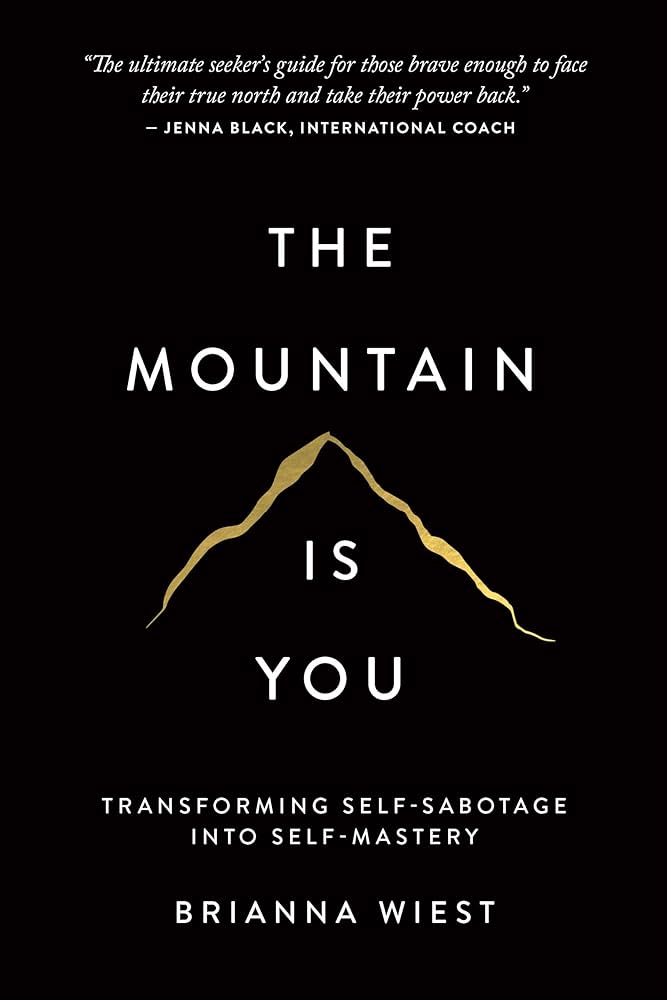
4. The Mountain Is You — For People Stuck In Self-Sabotage Loops
Overthinking and self-sabotage often go together.
You want change.
You dream about growth.
But somehow, fear keeps pulling you backward.
You procrastinate.
Avoid opportunities.
Overanalyze every possible risk until action feels impossible.
And eventually, you begin blaming yourself for staying stuck.
This book explores why humans unconsciously resist the very things they claim to want.
Written by Brianna Wiest, the book explains how unresolved emotional wounds, fear, and subconscious beliefs quietly shape behavior. Rather than shaming readers, it approaches self-sabotage with compassion and emotional insight.
For overthinkers, the book feels deeply personal because it reveals something important:
Many people are not lazy.
They are afraid.
Afraid of failure.
Afraid of change.
Afraid of becoming visible.
Afraid of losing control.
And overthinking becomes the mind’s attempt to stay emotionally safe.
The book doesn’t simply tell readers to “think positively.”
Instead, it asks them to understand the emotional roots beneath their behavior.
That depth is what makes it resonate so strongly.
Read This If:
- you overthink every important decision
- you feel stuck in repetitive emotional patterns
- you procrastinate because of fear
- you struggle with self-doubt
A Thought That Lingers After Reading:
Sometimes the hardest battle is not against the world, but against the parts of yourself trying to keep you emotionally safe.
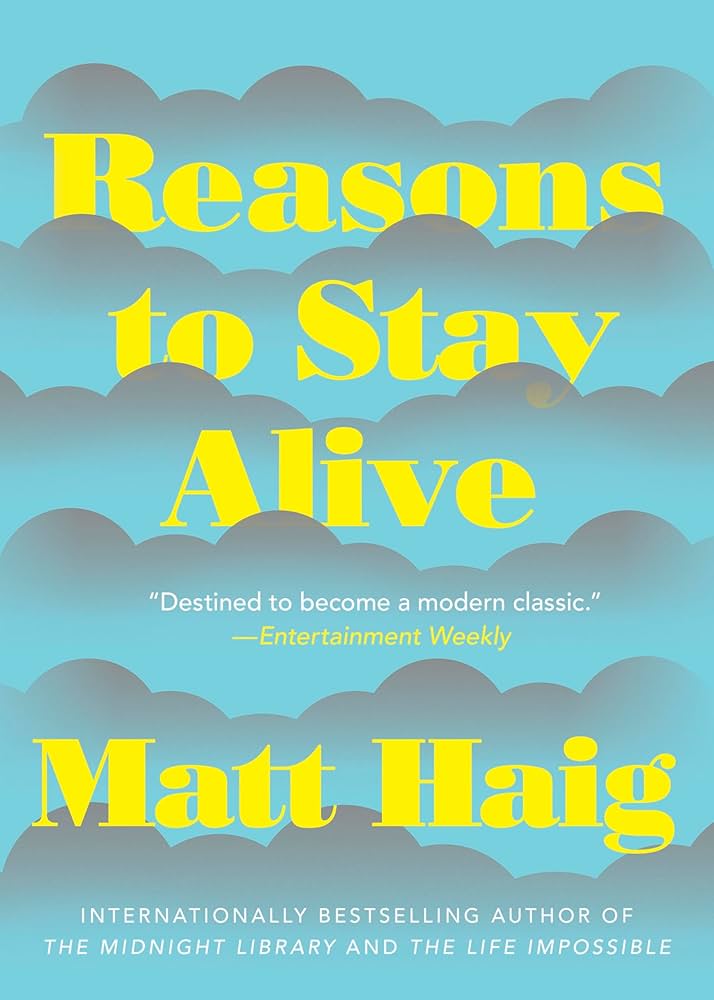
5. Reasons to Stay Alive — For Minds That Feel Exhausted From Thinking Too Much
Overthinking eventually becomes physically exhausting.
Your body grows tired.
Your sleep suffers.
Even small decisions feel mentally overwhelming.
And after enough time, your own mind starts feeling unsafe to exist inside.
This memoir by Matt Haig explores depression, panic attacks, anxiety, and emotional survival with extraordinary honesty. Instead of presenting healing as a perfect journey, the book captures the frightening reality of living with a mind that constantly turns against itself.
What makes this book comforting is how deeply understood readers feel.
It doesn’t minimize emotional suffering.
It sits beside it quietly.
And for overthinkers who feel isolated inside their thoughts, that kind of understanding can feel incredibly healing.
Read This If:
- your thoughts emotionally drain you
- anxiety keeps you mentally exhausted
- you feel trapped inside your own mind
- you need emotional reassurance without fake positivity
A Thought That Lingers After Reading:
Even minds that struggle deeply still deserve compassion.
Why Overthinkers Connect So Deeply With Books
Overthinkers often feel misunderstood in everyday life.
People tell them:
- “just relax”
- “stop worrying”
- “you think too much”
But overthinking is rarely something people choose intentionally.
Most overthinking begins as self-protection.
The mind tries to prevent pain before it happens.
It tries to predict rejection.
It tries to stay emotionally prepared.
But eventually, the constant mental noise becomes its own form of suffering.
That’s why books can feel so comforting.
Books slow the mind down.
They organize emotions into language.
They remind readers that their thoughts are not unique signs of brokenness.
Sometimes, the greatest relief an overthinker can experience is realizing:
“Other people feel this too.”
Final Thoughts
Overthinking often convinces people that if they just analyze life hard enough, they can finally avoid pain completely.
But life does not work that way.
No amount of thinking can eliminate uncertainty forever.
And perhaps healing begins when the mind slowly understands this:
You do not need to solve every possible future in order to deserve peace in the present.
Sometimes it is enough to breathe.
Enough to pause.
Enough to stop fighting your own thoughts for a moment.
And sometimes, the right book quietly helps you remember how to do exactly that.