There’s something strangely addictive about psychology books.
Maybe it’s because human beings secretly want to understand themselves.
Why they overthink.
Why they sabotage relationships.
Why they repeat destructive habits.
Why certain people manipulate so easily.
Why emotions sometimes feel impossible to control.
Or maybe it’s because psychology books do something few other books can:
They make ordinary human behavior suddenly feel fascinating.
After reading the right psychology book, you stop looking at people the same way.
You begin noticing patterns everywhere.
Defense mechanisms.
Trauma responses.
Social conditioning.
Emotional insecurity hidden beneath confidence.
Conversations start feeling different.
Relationships start feeling different.
Even your own thoughts become more visible to you.
That’s why some psychology books explode in popularity and stay there for years.
Not because they simply provide information…
…but because they make readers feel like they’ve discovered hidden knowledge about the human mind.
The books on this list are the ones people constantly recommend, quote, highlight, obsess over, and return to repeatedly.
Some are emotionally healing.
Some are intellectually unsettling.
And some will completely change how you understand human nature itself.
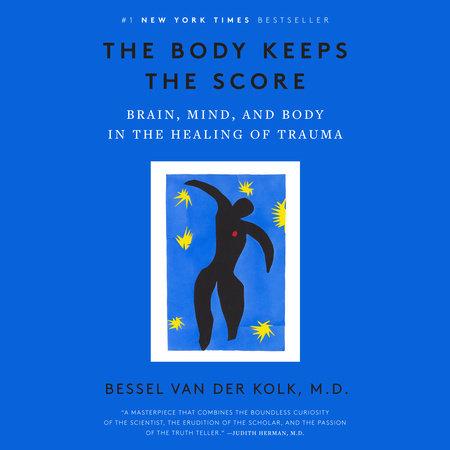
1. The Body Keeps the Score — The Book That Changed How People Understand Trauma
Few psychology books have impacted modern conversations about emotional pain as deeply as this one.
Before this book, many people viewed trauma as something that simply existed in memory.
Something psychological.
Something people should eventually “move on” from.
This book completely changed that understanding.
Written by psychiatrist Bessel van der Kolk, the book explores how trauma physically reshapes the brain, nervous system, body, relationships, and emotional responses. Through research, patient stories, and decades of clinical work, it explains why emotional pain often continues living inside people long after difficult experiences end.
What makes this book unforgettable is how validating it feels.
Readers suddenly understand:
- why anxiety feels physical
- why certain triggers feel overwhelming
- why emotional shutdown happens
- why safety can feel difficult even years later
The book gives language to experiences many people thought were personal weaknesses.
And that realization becomes deeply emotional.
Because many readers stop seeing themselves as “broken” for the first time.
Read This If:
- psychology and trauma fascinate you
- you want to understand emotional pain deeply
- you struggle with anxiety or emotional overwhelm
- you love books that completely shift perspective
A Thought That Lingers After Reading:
The body often remembers what the mind tries desperately to forget.
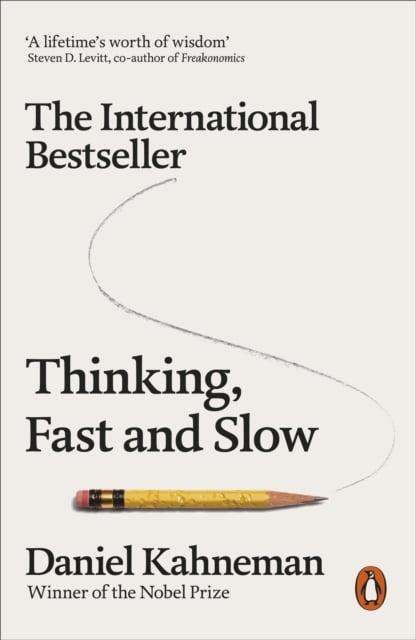
2. Thinking, Fast and Slow — The Psychology Book That Makes You Question Your Own Mind
Most people assume their thoughts are rational.
This book quietly dismantles that confidence.
Written by Nobel Prize-winning psychologist Daniel Kahneman, the book explores the two systems that drive human thinking:
- fast, emotional, instinctive thinking
- slow, logical, deliberate thinking
Through fascinating psychological experiments and behavioral research, the book reveals how human beings constantly make irrational decisions without realizing it.
Biases.
Mental shortcuts.
Emotional distortions.
False confidence.
And once readers begin recognizing these patterns, they start seeing them everywhere.
In politics.
Relationships.
Social media.
Money decisions.
Even everyday conversations.
This book became massively popular because it fundamentally changes how readers view intelligence itself.
Not as perfect rationality.
But as something deeply shaped by invisible psychological forces.
Read This If:
- you love intellectually challenging books
- human decision-making fascinates you
- you want to think more clearly
- you enjoy understanding hidden mental patterns
A Thought That Lingers After Reading:
The mind is powerful, but far less objective than it believes itself to be.
3. Attached — The Relationship Psychology Book Everyone Talks About
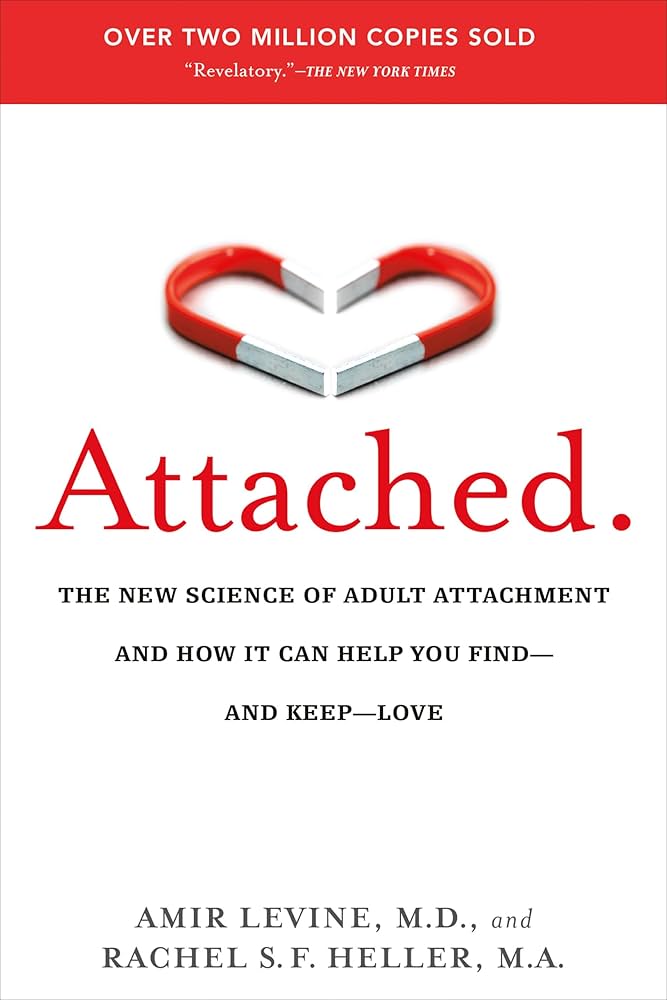
Few psychology books make people rethink their relationships as quickly as this one.
Many readers describe the experience as:
“suddenly understanding every relationship I’ve ever had.”
Written by psychiatrist Amir Levine and psychologist Rachel Heller, the book explores attachment theory — the idea that early emotional experiences shape how adults connect, trust, communicate, and seek love in relationships.
The book explains attachment styles such as:
- anxious attachment
- avoidant attachment
- secure attachment
And suddenly, confusing relationship dynamics begin making painful sense.
Why some people fear abandonment intensely.
Why others emotionally withdraw during intimacy.
Why certain relationship patterns repeat endlessly.
What makes this book so addictive is how personal it feels.
Readers constantly recognize themselves, former partners, and current relationships inside the examples.
And once they do, dating and emotional connection stop feeling random.
They start feeling psychological.
Read This If:
- relationships confuse or emotionally exhaust you
- you repeatedly experience the same romantic patterns
- attachment theory fascinates you
- you want to understand emotional intimacy better
A Thought That Lingers After Reading:
Many relationship struggles begin long before the relationship itself.
4. Influence: The Psychology of Persuasion — The Book That Makes You See Manipulation Everywhere
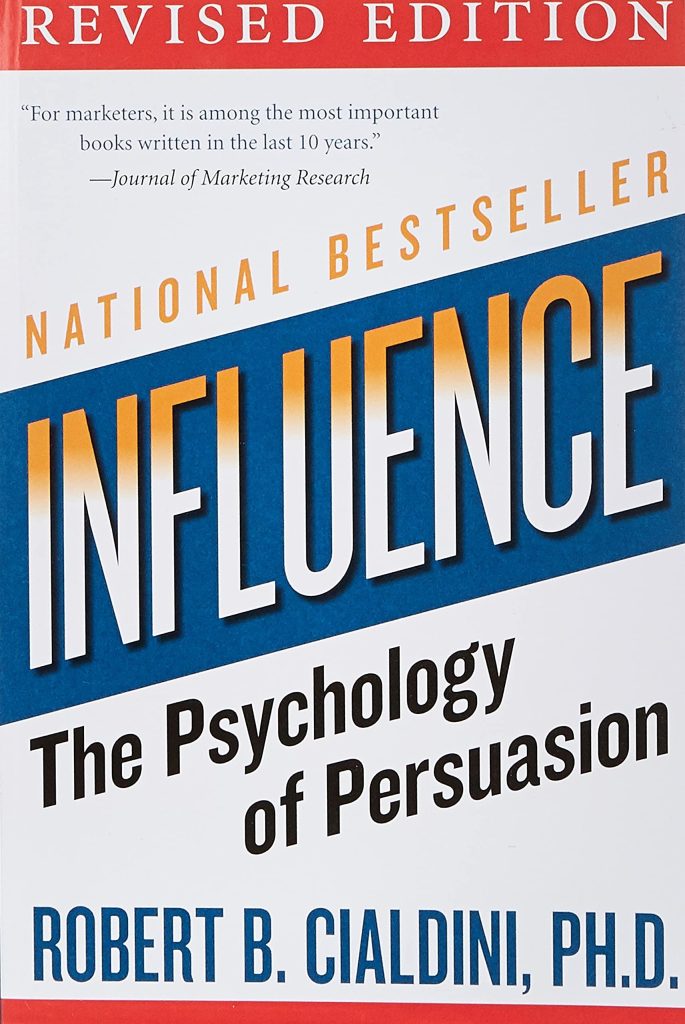
After reading this book, many people start noticing persuasion tactics constantly.
Advertisements.
Social media influencers.
Sales conversations.
Politics.
Even everyday human interactions.
Written by psychologist Robert Cialdini, the book explores the psychological principles behind persuasion and why human beings are often influenced without realizing it.
The book breaks down concepts such as:
- social proof
- authority
- scarcity
- reciprocity
- commitment
And suddenly, human behavior begins feeling almost disturbingly predictable.
What makes this book so fascinating is that it doesn’t just explain manipulation.
It explains why manipulation works.
Readers begin realizing how deeply human decisions are shaped by psychological triggers operating beneath conscious awareness.
And once you see those patterns clearly, you start viewing marketing, social behavior, and influence very differently.
Read This If:
- you love understanding human behavior
- persuasion psychology fascinates you
- you want to become more psychologically aware
- you enjoy books that reveal hidden social patterns
A Thought That Lingers After Reading:
People often believe they make independent decisions while being subtly influenced constantly.
5. Maybe You Should Talk to Someone — The Psychology Book That Feels Deeply Human
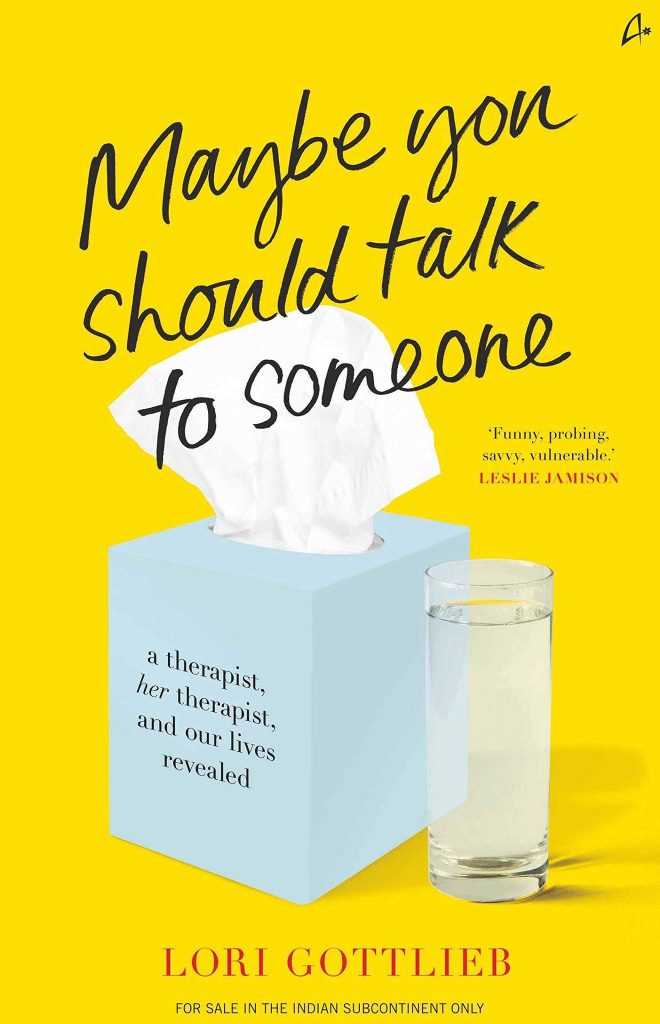
Many psychology books focus heavily on theory.
This one focuses on people.
Written by therapist Lori Gottlieb, the book follows both her own therapy journey and the emotional struggles of several patients navigating heartbreak, grief, addiction, fear, loneliness, and identity crises.
What makes this book so beloved is how emotionally real it feels.
It reveals therapy not as a process for “broken” people…
…but as a deeply human process of trying to understand pain, fear, and emotional survival.
Readers become emotionally attached to the patients.
Their struggles feel personal.
Their fears feel familiar.
And slowly, the book reveals something quietly powerful:
Most people are carrying invisible emotional battles.
That realization changes how readers view both themselves and others.
Read This If:
- you love emotionally intelligent psychology books
- therapy and emotional healing interest you
- you want books that feel deeply human
- you enjoy psychological insight mixed with storytelling
A Thought That Lingers After Reading:
People often hide enormous emotional pain behind ordinary appearances.
Why People Become Obsessed With Psychology Books
Psychology books offer something deeply addictive:
Explanation.
They explain:
- emotions
- fears
- behaviors
- relationships
- insecurity
- motivation
- trauma
- influence
And human beings desperately want explanation.
Especially for experiences that once felt confusing or emotionally chaotic.
There’s comfort in understanding why the mind behaves the way it does.
Even painful truths become easier to carry once they finally make sense.
That’s why psychology books often feel more personal than readers expect.
People start reading to learn about others…
…and end up discovering uncomfortable truths about themselves too.
Final Thoughts
The most unforgettable psychology books do not simply teach facts.
They change perception.
After reading them:
- people become more self-aware
- relationships make more sense
- behavior becomes easier to interpret
- emotional patterns become more visible
And once certain psychological truths become visible, they are difficult to ignore again.
That’s why readers obsess over these books.
Because they offer something incredibly powerful:
The feeling of finally understanding the hidden mechanisms behind human behavior — including your own.