Some self-improvement books feel like homework.
You read ten pages…
Get bored…
And forget everything a week later.
But then there are the dangerous ones.
The books that completely consume your attention.
The ones where you keep highlighting sentences obsessively.
The ones that make you pause and stare at the wall because something hit too personally.
The ones that quietly change your habits while you’re still reading them.
Those books feel addictive because they do more than give advice.
They create emotional momentum.
They make readers feel:
“Maybe my life really can change.”
And that feeling is powerful.
Especially for people who feel stuck.
Lost.
Unmotivated.
Emotionally exhausted.
Or quietly disappointed in the direction their life has been moving.
The best self-improvement books are not just motivational.
They are psychologically immersive.
They help readers understand:
- why they procrastinate
- why they overthink
- why they self-sabotage
- why discipline feels difficult
- why happiness often feels temporary
And once people begin understanding themselves more deeply, growth stops feeling impossible.
These are the books readers stay awake finishing.
The books constantly recommended online.
The books people reread during difficult phases of life because they genuinely shift something internally.
1. Atomic Habits — The Self-Improvement Book People Cannot Stop Recommending
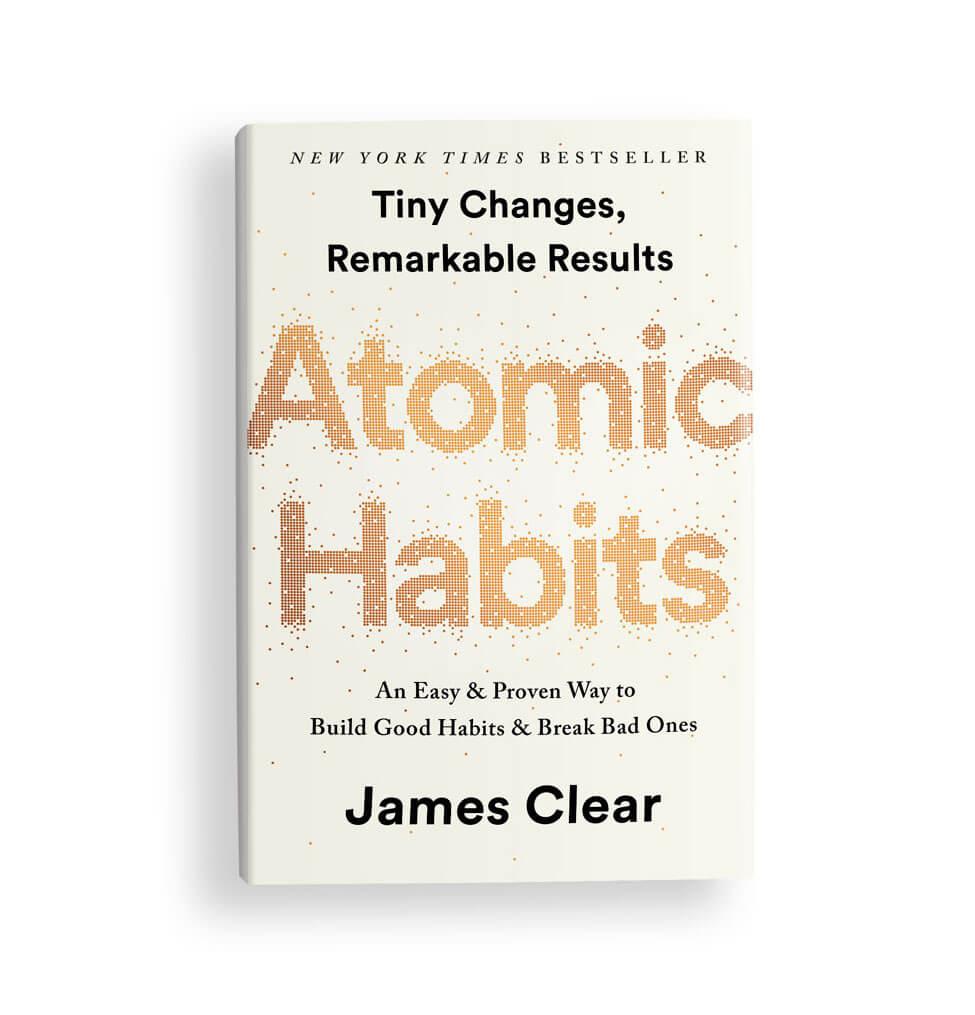
There’s a reason this book became almost impossible to avoid online.
Because it solves one of the most frustrating human problems:
Why people struggle to stay consistent even when they genuinely want change.
Written by James Clear, the book explores how tiny repeated actions quietly shape identity, routines, productivity, health, success, and long-term behavior. Rather than focusing on dramatic overnight transformation, it teaches readers how small systems create massive life changes over time.
What makes this book addictive is how practical and psychologically satisfying it feels.
Every chapter creates moments where readers suddenly think:
“That explains so much.”
The book removes the shame many people carry around discipline.
Instead of demanding perfection, it emphasizes sustainable progress.
Tiny improvements.
Tiny habits.
Tiny shifts repeated consistently.
And for readers overwhelmed by huge goals, that perspective feels incredibly freeing.
Read This If:
- you struggle with consistency
- motivation disappears quickly for you
- you want practical self-improvement
- you feel stuck in bad habits
A Thought That Lingers After Reading:
Small repeated behaviors quietly shape entire lives.
2. The Mountain Is You — The Book That Feels Uncomfortably Personal
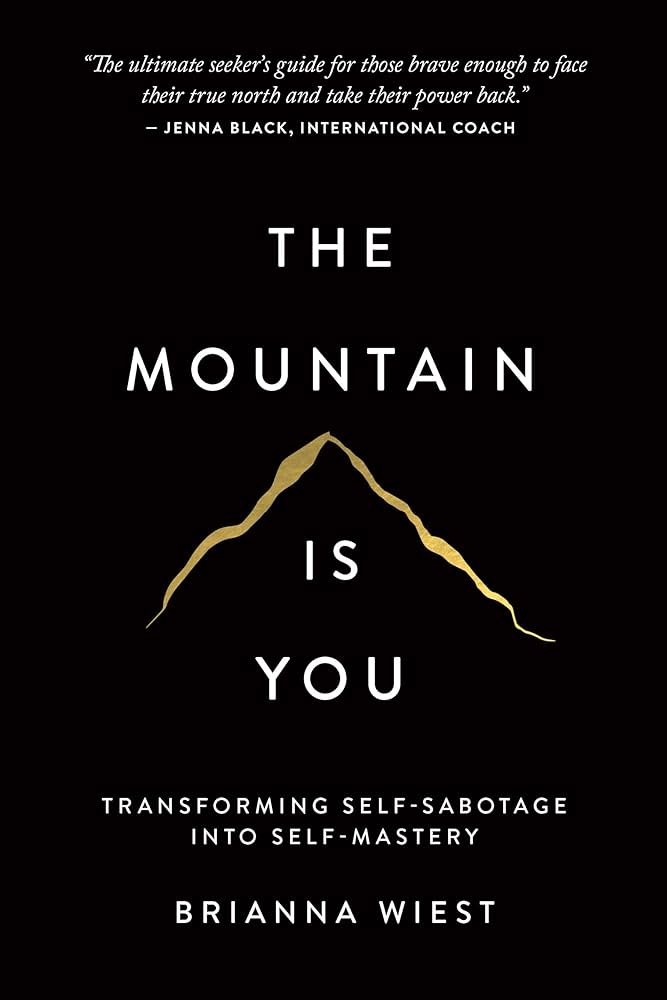
Some self-improvement books motivate readers.
This one emotionally exposes them.
Written by Brianna Wiest, the book explores self-sabotage, emotional healing, fear, subconscious behavior, and the hidden psychological reasons people repeatedly block their own growth.
What makes this book addictive is how intensely readers recognize themselves inside it.
The procrastination.
The overthinking.
The fear of failure.
The fear of success.
The emotional patterns repeated endlessly.
The book repeatedly explains that many self-destructive habits are actually attempts at emotional protection.
And suddenly, readers stop seeing themselves as lazy or broken.
They begin understanding themselves more compassionately.
That emotional depth is what makes people obsess over this book online.
It doesn’t just discuss productivity.
It discusses emotional survival.
Read This If:
- you keep sabotaging your own progress
- fear secretly controls your decisions
- emotional healing interests you
- you want self-improvement that feels psychologically deep
A Thought That Lingers After Reading:
People often cling to familiar suffering because uncertainty feels more frightening.
3. Can’t Hurt Me — The Book That Feels Like A Psychological Shock To The System

This is not a gentle self-help book.
It feels more like being screamed awake emotionally.
Written by former Navy SEAL David Goggins, the book follows his journey through poverty, trauma, racism, obesity, brutal physical endurance, and mental transformation while exploring the extreme psychological discipline he used to rebuild himself completely.
What makes this book addictive is the intensity.
Readers constantly alternate between:
- inspiration
- disbelief
- discomfort
- motivation
The book forces readers to confront uncomfortable questions:
- How many limits are actually real?
- How much potential gets wasted through fear and excuses?
- How often do people quit mentally before reaching true exhaustion?
Even readers who disagree with Goggins’ extreme mindset often admit the book changes something psychologically.
Because after reading it, excuses begin sounding weaker internally.
Read This If:
- you feel mentally stuck
- you need intense motivation
- discipline fascinates you
- you want a brutally honest mindset shift
A Thought That Lingers After Reading:
The mind usually gives up long before the body truly must.
4. The Subtle Art of Not Giving a F*ck — The Book That Makes Self-Improvement Feel Refreshingly Honest
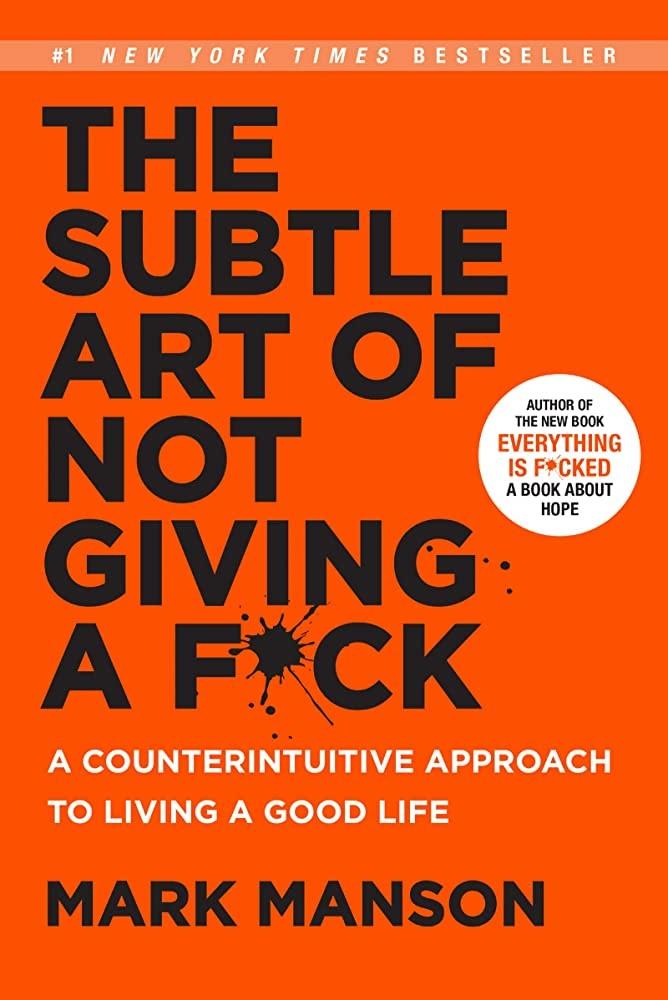
Many self-help books promise perfect happiness.
This one does the opposite.
Written by Mark Manson, the book argues that suffering, uncertainty, rejection, and failure are unavoidable parts of life — and that genuine growth begins when people stop obsessing over constant positivity and focus instead on what truly matters.
What makes this book addictive is its emotional honesty.
It says things many people secretly know but rarely hear out loud:
- not everyone will like you
- life will always involve problems
- avoiding discomfort creates more suffering
- perfection is impossible
And strangely, readers find that honesty relieving.
Because many people are exhausted from trying to become flawless versions of themselves.
This book gives them permission to become human again.
Read This If:
- toxic positivity frustrates you
- you overthink other people’s opinions
- anxiety and perfectionism exhaust you
- you want self-improvement that feels realistic
A Thought That Lingers After Reading:
A meaningful life is not built by avoiding problems, but by choosing which problems are worth facing.
5. Deep Work — The Book That Quietly Rebuilds Your Attention Span
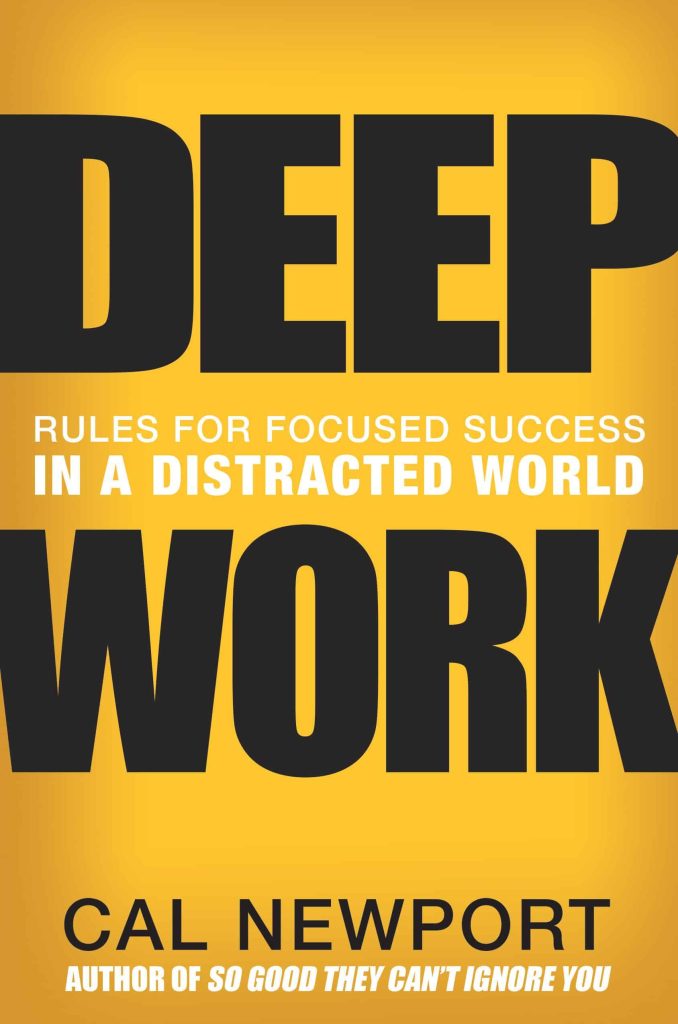
Modern attention spans are collapsing.
People constantly scroll.
Switch tabs.
Check notifications.
Consume endless stimulation.
And eventually, deep concentration begins feeling almost impossible.
This book explains why.
Written by Cal Newport, the book explores the importance of uninterrupted focus in a distracted world and explains how deep concentration creates not only productivity, but also satisfaction and meaning.
What makes this book addictive is how immediately readers recognize the problem inside themselves.
The inability to focus deeply.
The mental fragmentation.
The addiction to constant stimulation.
And once readers understand what distraction is doing to their minds, they begin viewing technology, work, and attention completely differently.
The book feels especially powerful because it offers something many people desperately miss:
Mental clarity.
Read This If:
- distractions constantly destroy your focus
- your attention span feels damaged
- you want to work more meaningfully
- modern life feels mentally chaotic
A Thought That Lingers After Reading:
A distracted life often creates shallow satisfaction but deep exhaustion.
Why Certain Self-Improvement Books Become Addictive
Most people are not searching for information anymore.
They are searching for transformation.
They want:
- clarity
- discipline
- healing
- confidence
- peace
- momentum
And the best self-improvement books create emotional movement.
Readers begin imagining a different version of themselves:
- calmer
- stronger
- healthier
- more disciplined
- more emotionally free
That possibility becomes addictive.
Especially when the writing feels deeply personal instead of shallow motivational advice.
Because readers do not want lectures.
They want understanding.
Final Thoughts
The most unforgettable self-improvement books do not simply make people feel inspired temporarily.
They make people see themselves differently.
And once self-perception changes, behavior often follows naturally afterward.
That’s why readers return to these books repeatedly during difficult phases of life.
Not because the books magically solve every problem…
…but because they reignite something easy to lose in adulthood:
Hope that change is still possible.
And sometimes, a single powerful book arrives at exactly the moment someone needs that hope most.