
There are moments in life when people stop feeling emotionally loud and start feeling emotionally distant.
Not dramatic enough for anyone to notice.
Not broken enough to ask for help.
Just tired in a way sleep cannot fix.
You still answer messages.
Still go to work or school.
Still laugh when you’re supposed to laugh.
But internally, something feels heavy.
Your thoughts become noisier at night.
Small problems suddenly feel overwhelming.
You replay old mistakes in your head like scenes from a movie you cannot stop watching.
And perhaps the loneliest part of all is this:
You begin feeling like nobody truly understands what is happening inside you.
That is why certain books feel different.
Not because they magically solve pain.
Not because they offer perfect advice.
But because, for a few quiet hours, they sit beside your mind and say:
“I understand this feeling too.”
Some books feel less like stories…
…and more like emotional mirrors.
The kind that gently reveal parts of yourself you were struggling to name.
These are the books people return to during difficult seasons.
The books with folded corners and highlighted lines.
The books that somehow arrive exactly when life begins feeling emotionally unbearable.
And if you’ve been carrying too much lately, perhaps one of these books will meet you where you are too.
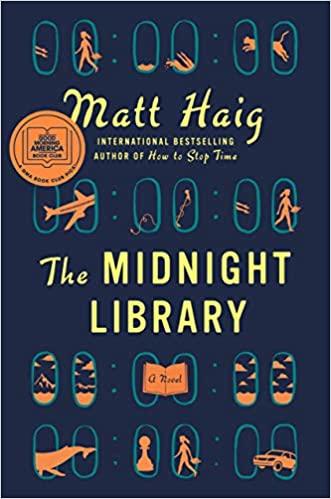
1. The Midnight Library — For The People Haunted By Regret
There’s a certain kind of sadness that quietly follows people who spend too much time thinking about the past.
Not just memories.
Possibilities.
The career you almost pursued.
The relationship you ruined.
The version of yourself you could have become if life had unfolded differently.
Sometimes regret becomes so heavy that people stop living in the present entirely.
They start mentally living inside alternate versions of their life instead.
That’s the emotional space this book enters.
The story follows Nora Seed, a woman overwhelmed by regret who finds herself in a mysterious library suspended between life and death. Every book inside the library contains a different version of her life — a reality shaped by the choices she could have made differently. Guided by a librarian figure from her childhood, Nora begins stepping into these alternate lives one by one, searching for the version of existence where she might finally feel happy.
What makes this book feel therapeutic is not the fantasy.
It’s the honesty underneath it.
Because deep down, many people are secretly grieving lives they never lived.
At first, Nora believes another version of her life must surely be better.
More successful.
More meaningful.
Less painful.
But the deeper she travels through these alternate realities, the more she discovers something unsettling:
Pain exists everywhere.
Every life contains loneliness.
Every path contains sacrifice.
Every version of being human carries uncertainty.
And slowly, the book begins shifting from a story about regret into something far more emotional:
Forgiveness.
Forgiveness for being imperfect.
Forgiveness for making human choices with limited understanding.
Forgiveness for not becoming every possible version of yourself.
At some point while reading, the story stops feeling fictional.
It begins feeling painfully personal.
You start thinking about your own regrets.
Your own abandoned dreams.
Your own “what if” questions.
And perhaps the most healing part of the book is this quiet realization:
Maybe your life was never supposed to be flawless.
Maybe being human was always going to involve uncertainty, loss, and unfinished possibilities.
Read This If:
- you constantly replay old decisions
- you feel stuck in regret
- you wonder how different life could have been
- you feel emotionally disconnected from your current life
A Thought That Lingers After Reading:
Sometimes healing begins the moment you stop punishing yourself for being human.
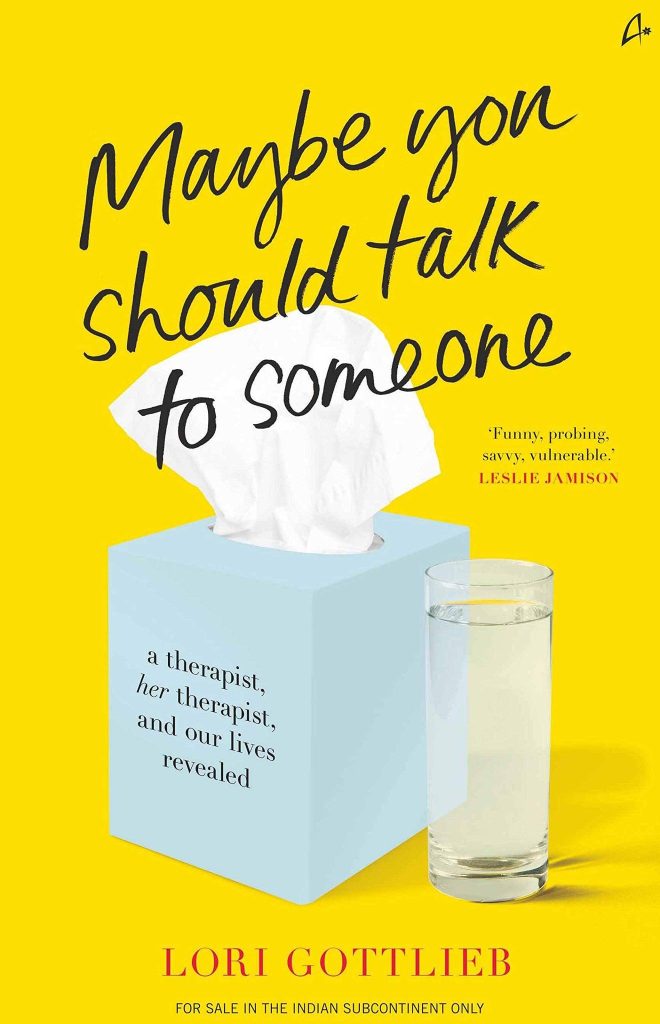
2. Maybe You Should Talk to Someone — The Book That Makes You Feel Understood
Most people walk through life hiding parts of themselves.
The anxious parts.
The ashamed parts.
The exhausted parts.
People become experts at appearing okay.
And eventually, they become so used to performing strength that they forget how emotionally overwhelmed they truly are.
This book quietly tears that mask apart.
Written by therapist Lori Gottlieb, the story begins when her own life unexpectedly falls apart after heartbreak. Suddenly, the therapist who spends her days helping others cope with pain finds herself sitting in a therapist’s office too. Alongside her own emotional unraveling, the book follows several patients struggling with grief, fear, addiction, anxiety, loneliness, and the terrifying feeling that their lives are slipping away from them.
What makes this book feel therapeutic is how deeply human everyone feels.
Nobody is presented as “crazy.”
Nobody is reduced to a diagnosis.
Instead, the book reveals something quietly devastating:
Most people are carrying invisible pain.
The angry person.
The perfectionist.
The anxious overthinker.
The emotionally distant partner.
Underneath their behavior is usually fear.
Grief.
Loneliness.
Or the desperate need to feel loved.
And somewhere during the book, you stop observing strangers.
You begin recognizing yourself.
You begin noticing how many of your own emotional reactions are rooted in wounds you never fully acknowledged.
The book doesn’t judge human weakness.
It understands it.
And that understanding feels strangely comforting.
Because many people spend years believing they are uniquely broken.
This book gently reminds you that suffering is deeply universal.
Read This If:
- you feel emotionally overwhelmed but can’t explain why
- you struggle with anxiety or loneliness
- you feel disconnected from yourself
- you constantly feel like you’re “not enough”
A Thought That Lingers After Reading:
People are often far softer and sadder than they appear on the surface.
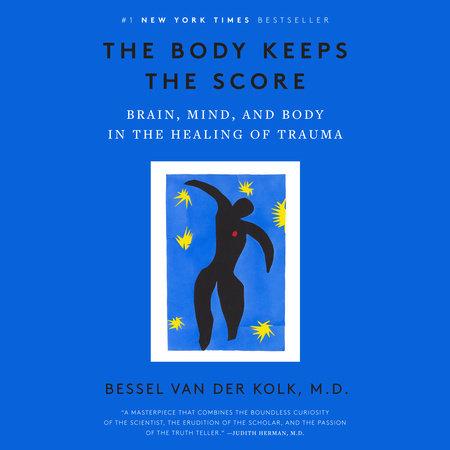
3. The Body Keeps the Score — The Book That Explains Why Pain Never Fully Leaves The Body
Some emotional wounds do not disappear simply because time passes.
They stay hidden inside the nervous system.
Inside reactions you cannot explain.
Inside panic that appears without warning.
Inside the inability to fully relax around other people.
Many people grow up believing their emotional struggles are personality flaws.
Why am I always anxious?
Why do I shut down emotionally?
Why do small situations overwhelm me so easily?
This book answers those questions with extraordinary compassion.
Written by psychiatrist Bessel van der Kolk, the book explores how trauma reshapes the brain and body. Through years of clinical experience and real patient stories, it explains how emotional pain can continue living physically inside people long after difficult experiences end.
And for many readers, this becomes the first time their inner chaos finally makes sense.
Suddenly, their anxiety no longer feels random.
Their emotional numbness no longer feels like weakness.
Their constant alertness no longer feels like failure.
The book explains something profoundly important:
Your mind adapted in order to survive.
Even unhealthy coping mechanisms were once attempts at protection.
That realization alone can feel deeply emotional.
Because self-hatred often begins softening once people understand the origins of their pain.
This is not an easy book emotionally.
But for many people, it becomes one of the most validating books they ever read.
Not because it romanticizes suffering.
But because it gives language to pain people thought nobody else could understand.
Read This If:
- you constantly feel emotionally tense or overwhelmed
- you struggle to feel safe or relaxed
- you experience anxiety that feels difficult to explain
- you want to understand how emotional pain affects the body
A Thought That Lingers After Reading:
Your reactions may not be signs of weakness. They may be signs of survival.
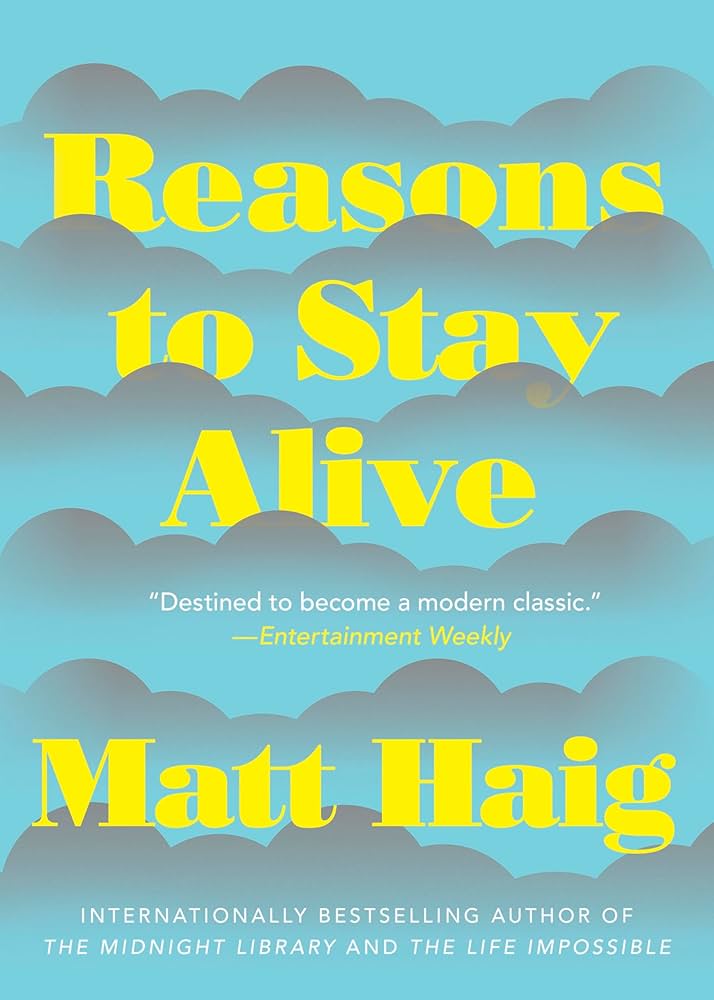
4. Reasons to Stay Alive — For The Days That Feel Heavy To Survive
There are certain seasons of life where simply existing feels exhausting.
Getting out of bed becomes difficult.
Your thoughts become darker.
The future feels emotionally blank.
And perhaps the hardest part is trying to explain this feeling to people who have never experienced it themselves.
This deeply personal memoir by Matt Haig explores his experience with depression, panic attacks, fear, and emotional collapse during his twenties. Rather than presenting recovery as a perfect journey, the book captures the confusing reality of mental suffering — the loneliness, the hopelessness, and the slow process of learning how to continue living again.
What makes this book feel therapeutic is its honesty.
It doesn’t force positivity.
It doesn’t pretend healing happens quickly.
Instead, it speaks gently to readers who are emotionally exhausted and reminds them that survival itself matters.
Sometimes the most comforting thing a person can hear is:
“You are not failing for struggling.”
And this book quietly repeats that message again and again.
Read This If:
- life has been feeling emotionally heavy lately
- you struggle with anxiety or depression
- you feel isolated in your thoughts
- you need a reminder that healing takes time
A Thought That Lingers After Reading:
Even difficult minds deserve gentle treatment.
Final Thoughts
The truth is, not everybody needs advice all the time.
Sometimes people simply need understanding.
That is why certain books stay with us forever.
Not because they fixed every problem.
But because they made us feel less alone while carrying them.
And maybe that is one of the most healing experiences literature can offer:
The feeling that somewhere, through pages written by a stranger, another human being quietly reached into your inner world and said:
“I know what this feels like too.”