I left her gasping.
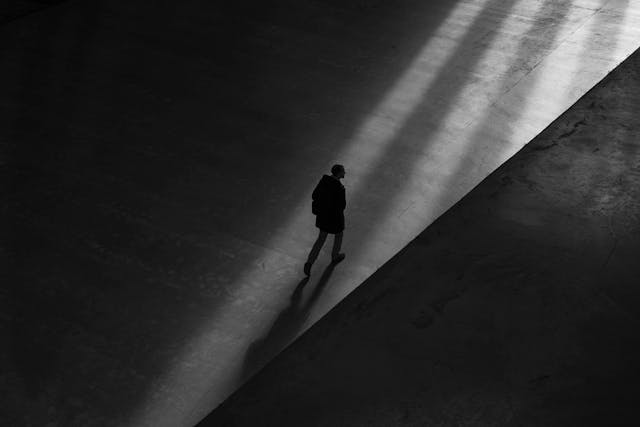
Not dramatically—no slammed doors, no final scream. Just the soft click of the hospital room latch at 3:17 a.m. while the monitors beeped their indifferent rhythm. She was unconscious, tubes snaking from her nose, skin the color of old paper. I kissed her forehead because that’s what daughters do in movies, then I walked down the corridor in my socks, past the night nurse who didn’t look up from her crossword.
I haven’t been back in 1,429 days.
That’s how long it’s been since the funeral I didn’t attend. Since the voicemail from my brother: “She asked for you. Right at the end.” Since I deleted the message and booked a flight to anywhere but home.
This is the confession I rehearse in the shower, in traffic, in the produce aisle when I see someone who looks like her. 2,508 words of rot I’ve carried in my teeth. Read it if you want. Burn it if you must. Just don’t call me when your own mother calls collect from the edge.
1. The Setup
We were never the Hallmark kind. Mom raised three kids on diner tips and stubbornness. Dad was a ghost who sent birthday cards with twenty-dollar bills and no return address. I was the middle child—quiet, bookish, the one teachers said had “potential.” Mom’s version: “Don’t waste it dreaming. Dreams don’t pay rent.”
She taught me survival:
– How to stretch ground beef with oatmeal.
– How to smile at customers who snapped their fingers.
– How to hide bruises with drugstore foundation.
I left for college at seventeen with a scholarship and a duffel bag. She drove me to the bus station, handed me a brown paper lunch, said, “Call when you’re settled.” I called once. She didn’t pick up. That was the pattern.
2. The Diagnosis
Year five post-college. I was 28, assistant editor at a lifestyle magazine, dating a photographer who said I had “sad eyes.” Mom called on a Tuesday. Not texted—called. Her voice sounded like gravel.
“Liver’s failing,” she said. “Cirrhosis. Doctor says six months, maybe a year if I’m lucky.”
I asked questions I didn’t want answers to. She answered in monosyllables. At the end: “Don’t come. I’m fine.”
I didn’t go. I sent flowers. Yellow roses—she hated yellow. The card read *Get well soon* because Hallmark doesn’t make Sorry I’m a coward.
3. The Slow Decay
She moved in with my brother, Mark, in the old house with the leaky roof. I visited twice.
– Visit 1: She was yellow, swollen, snapping at Mark for salting the soup. I brought gourmet coffee. She drank it black and said it tasted like dirt.
– Visit 2: She’d lost thirty pounds. Her wedding ring spun on her finger. I offered to stay the weekend. She said, *“Go live your big-city life. I’m not your project.”
I went back to my apartment, my deadlines, my photographer who left because I “checked out during sex.” I told myself she didn’t want me there. Truth: I didn’t want to be there.
4. The Hospital
Month eight. Mark texted: ICU. Now.
I took the red-eye. Arrived at 6 a.m. with a suitcase I never unpacked. The waiting room smelled like burnt coffee and bleach. Mark hugged me too hard. His eyes were red.
“She’s asking for you,” he said.
I nodded. Went to the vending machine instead.
5. The Room
She looked like a child in the bed. Machines hissed. A priest I didn’t recognize sat in the corner, murmuring. I stood at the foot of the bed for twenty minutes, counting ceiling tiles. Mark nudged me. “Talk to her.”
I said:
– “Hey, Mom.”
– “The flight was bumpy.”
– “Mark says you hate the Jell-O.”
She opened her eyes once. They were milky, unfocused. Her lips moved. I leaned in.
“Water,” she rasped.
I poured from the pink pitcher. My hand shook. She sipped, coughed, fell back asleep.
—
6. The Night I Left
3:00 a.m. The nurse said, “She’s stable. Go rest.”
I went to the family lounge, curled on a vinyl couch, set an alarm for 6. At 3:17 I woke without it. Mom’s monitor had flatlined in my dream. I checked the hall—still beeping. False alarm.
I stood outside her door. Inside: Mark snoring in the recliner. Mom’s chest rising, falling, rising. I thought: If I stay, I’ll have to watch her die.
I thought: If I leave, I’ll never forgive myself.
I left.
7. The Aftermath
I flew home. Didn’t answer Mark’s calls. Slept for fourteen hours. Woke to a text: *She’s gone. 4:42 a.m.*
I stared at the ceiling until the numbers blurred. Then I showered, went to work, edited a piece on “mindful grieving.”
The funeral was three days later. I told my boss I had food poisoning. Watched the livestream on mute while pretending to proofread. Saw Mark carry the casket. Saw my empty chair in the front row.
8. The Guilt Loop
I developed rituals:
– Checking her Facebook (still active, Mark posts memories).
– Driving past hospitals and hyperventilating.
– Buying yellow roses and letting them die on my counter.
I dated a nurse. Told her my mom lived in Florida. She found the obituary when I left my laptop open. Broke up via text: “You’re not who I thought.” I didn’t blame her.
9. The Almost-Returns
– Year 1: Booked a flight for her birthday. Canceled at the gate.
– Year 2: Drove to the cemetery at 2 a.m. Sat outside the gates until security asked me to leave.
– Year 3: Wrote a letter. Burned it in the sink. The smoke alarm screamed like her.
10. The Truth, Plain
I walked out because I was scared.
Not of her dying—of her living long enough to ask why I never came home.
I chose me over her.
I hate that it was a choice.
If you’re reading this, Mark, I’m sorry. I should’ve been the one holding her hand. I should’ve carried the casket. I should’ve been brave.
If you’re reading this, Mom, I hope heaven has better coffee. I hope you forgave me before the machines stopped. I hope you know the brown paper lunch is still in my freezer, uneaten.
If you’re reading this, internet stranger, don’t wait for permission to go back. Don’t let fear write your ending. Don’t leave the room at 3:17 a.m. thinking tomorrow will fix it.
I can’t undo the click of that latch. But I can finally say it out loud:
I was her daughter.
I was her coward.
I am the space she left behind, still learning how to fill it.
And some days, the monitors still beep in my dreams.