
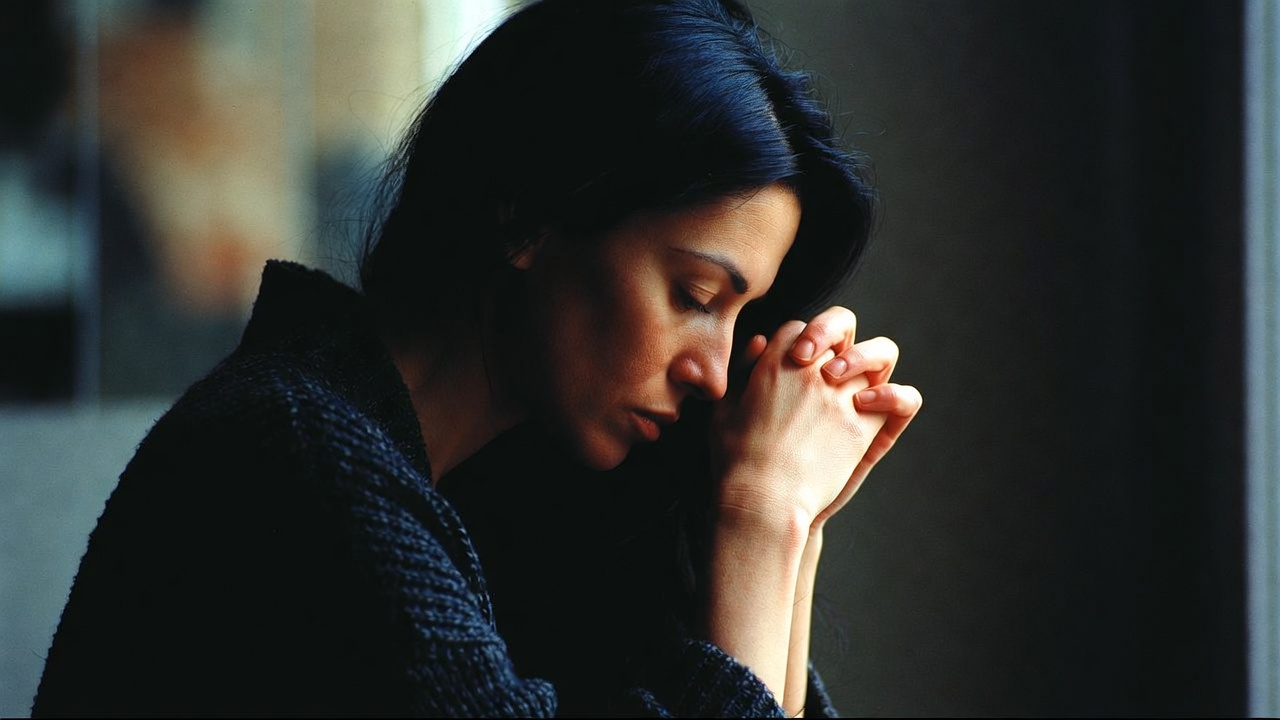
I didn’t realize I was losing myself at first. It happened slowly, quietly, in the small moments no one ever notices. It happened when I began choosing his comfort over my honesty, his happiness over my needs, his peace over my voice. I told myself this was love. I told myself this was sacrifice. I told myself this was what it meant to care deeply about someone. And for a long time, I believed it. I believed that loving him more than myself made me strong, loyal, devoted. I believed that one day, he would see how much I had given and love me back in the same way.
At the beginning, everything felt beautiful. The kind of beautiful that makes you believe in forever. We laughed easily. We dreamed boldly. We spoke about the future as if it were already ours. I felt chosen. I felt seen. I felt wanted. And for the first time in my life, I thought maybe I didn’t have to be so guarded, so careful, so self-protective. Maybe I could finally relax into love. Maybe I could finally let myself belong to someone fully without fear. So I opened my heart wider than I ever had before, unaware that I was slowly giving away pieces of myself I would later struggle to find.
As time passed, I started adjusting myself in ways I barely noticed. I softened my opinions to avoid disagreements. I hid my disappointments so I wouldn’t seem demanding. I laughed at things that hurt. I stayed silent when I felt misunderstood. I learned how to make myself easier to love, easier to handle, easier to accept. I told myself this was maturity. I told myself this was growth. But deep down, something fragile inside me was shrinking. I was becoming smaller so that he could feel bigger. I was bending so that the relationship wouldn’t break.
I began measuring my worth by how much I could endure. How much I could tolerate. How much I could forgive. The more I sacrificed, the more I convinced myself that my love was pure. That my pain meant something. That my patience would eventually be rewarded. But instead of feeling closer, I started feeling invisible. My needs faded into the background. My emotions became inconvenient. My dreams felt unrealistic. And slowly, without realizing it, I started living a life where I existed for him, but no longer for myself.
The hardest part was how natural it all felt. Losing myself didn’t arrive as a crisis. It arrived as habit. It arrived as compromise. It arrived as love. I woke up every day trying to be the version of myself that made him happiest, even if that version no longer felt real. I dressed for his approval. I spoke for his comfort. I moved through life in ways that kept him steady, even as I quietly unraveled. And because I loved him so deeply, I convinced myself that my suffering was noble, that my silence was strength, and that my emptiness was simply the cost of loving someone completely.
The more I gave, the less I recognized myself. I used to have opinions that burned inside my chest, dreams that kept me awake at night, ambitions that made my heart race with excitement. But slowly, those parts of me grew quieter, as if they were learning to survive by staying hidden. I stopped talking about what I wanted and started focusing only on what he needed. I rearranged my life around his schedule, his moods, his priorities. My days became carefully structured around his comfort, and my own desires became background noise I barely allowed myself to hear.
There were moments when I felt the weight of this transformation pressing down on me, but I brushed them away. I told myself I was being dramatic. I told myself that love required compromise, and compromise required discomfort. I convinced myself that this was what adulthood looked like — quiet endurance, emotional restraint, and unwavering loyalty. I didn’t want to admit that something essential inside me was fading, because admitting it would mean questioning everything I had built my life around. So I kept going, hoping that one day, this emotional imbalance would even out, that my sacrifices would finally feel seen.
But love without balance becomes survival. And survival is exhausting. I grew tired in ways sleep could not fix. I carried emotional weight I never spoke about, fears I never shared, disappointments I never voiced. I became skilled at smiling while breaking inside, at showing strength while feeling fragile, at appearing stable while slowly losing my sense of identity. The version of me that once dreamed freely was replaced by someone who carefully navigated every interaction, every conversation, every expectation, just to maintain peace.
Sometimes, I caught glimpses of my old self in fleeting moments — in music that stirred forgotten emotions, in memories that surfaced unexpectedly, in rare silences where I allowed myself to feel. Those moments reminded me of who I used to be before love became sacrifice, before devotion turned into self-erasure. And each time, the realization hurt more deeply. Because it made me understand that I hadn’t simply changed — I had slowly disappeared.
What haunted me most was how invisible this loss was to everyone else. From the outside, I looked devoted, stable, fulfilled. No one saw the quiet grief I carried for the person I once was. No one noticed how often I swallowed my truth. No one recognized the exhaustion behind my patience. And perhaps the hardest truth of all was that he didn’t notice either. Or maybe he did, and simply didn’t understand what it cost me. Either way, I stood alone inside a love that was slowly consuming me.
There came a point when I stopped expecting to be understood. I learned how to anticipate his reactions before he ever spoke, adjusting myself accordingly. I filtered my thoughts, softened my words, and edited my emotions so they would land gently instead of truthfully. I convinced myself that protecting his peace was more important than honoring my pain. Slowly, I became fluent in silence. It became easier not to explain, not to ask, not to hope. Because every unmet expectation felt like another small heartbreak I didn’t have the energy to carry.
My world grew smaller as his grew larger. I rearranged friendships, distanced myself from passions, and postponed dreams that didn’t fit neatly into his life. Opportunities passed quietly by while I stayed rooted in place, waiting for the right time that never seemed to arrive. I told myself that patience was love, that loyalty meant staying, that endurance was strength. But deep inside, I felt a dull ache that never left. It was the ache of knowing I was meant for more than emotional survival. It was the ache of longing for a life that felt fully mine.
The loneliness surprised me most. How could I feel so alone while being so deeply involved in someone else’s life? I shared my days, my space, my energy — yet still felt unseen. Conversations revolved around logistics and responsibilities, never feelings or fears. I craved emotional closeness the way one craves oxygen, but I learned to live without it. And in that deprivation, I became quieter, smaller, and less alive. I existed beside him, but no longer with him.
At night, I often replayed moments from earlier years, searching for the version of us that once felt effortless. I wondered when love turned into obligation, when connection turned into routine, when affection turned into familiarity. I searched for the precise moment I started losing myself, but there was no single turning point — only a thousand small compromises that slowly reshaped my life. And in that realization, I understood that self-loss is rarely dramatic. It is subtle. It is patient. It waits for love to do the work for it.
Some days, I caught my reflection and barely recognized the person staring back. The light in my eyes had dimmed. The curiosity in my expression had faded. I looked responsible, reliable, strong — but not alive. And in those moments, I felt a wave of grief for the woman I once was, the woman who believed in herself, trusted her instincts, and dreamed without restraint. I mourned her quietly, afraid that acknowledging her absence would force me to confront the truth I was desperately avoiding.
I started questioning myself in ways I never had before. I wondered if I was asking for too much, if my emotional needs were unrealistic, if my longing for connection made me difficult to love. I compared myself to quieter women, easier women, women who seemed content with less, and I tried to become more like them. I muted my emotions, restrained my reactions, and softened my expectations until they barely existed. I believed that if I could just become simpler, calmer, less demanding, I could finally deserve the love I kept giving so freely. But the more I tried to reshape myself, the more distant I felt from who I truly was.
There were days when resentment crept in quietly, disguised as fatigue. I would feel it in my chest during small moments — when my efforts went unnoticed, when my sacrifices were assumed, when my presence was taken for granted. I hated that feeling, so I buried it beneath patience and understanding. I reminded myself of his struggles, his pressures, his responsibilities. I told myself that love meant empathy, even when it hurt. But empathy without reciprocity slowly becomes emotional abandonment. And I was living inside that imbalance, carrying the emotional labor of two people while pretending it was light.
The hardest part was the internal conflict — the battle between loyalty and self-preservation. I loved him deeply, and that love kept me tethered to hope. I kept believing that if I stayed gentle, if I stayed patient, if I stayed devoted, something would eventually shift. I imagined a future where he finally saw me, finally understood me, finally met me in the middle. That hope kept me anchored, even when reality offered little evidence to support it. And yet, every day that passed without change quietly chipped away at my spirit.
I became skilled at compartmentalizing my pain. I smiled through gatherings, celebrated milestones, and showed up for responsibilities with unwavering reliability. I became the person everyone could depend on, while secretly feeling like I had no one to lean on. My emotional world existed in isolation, unseen and unacknowledged. I learned how to cry silently, how to grieve privately, how to ache without interruption. And in that solitude, I began to understand that loneliness is not the absence of people, but the absence of emotional connection.
Deep inside, a question started forming — not loudly, not urgently, but persistently. How long can a person live without being truly seen? How long can a heart survive on love that flows in only one direction? I didn’t have answers yet. I only had exhaustion, confusion, and a growing sense that something fundamental had to change. Because the life I was living, no matter how familiar, was slowly costing me my sense of self. And I was beginning to realize that love should never require complete self-erasure.
The moment of clarity didn’t arrive as a dramatic realization. It came quietly, wrapped in exhaustion. One evening, I sat alone in a room we shared and felt an overwhelming sense of emptiness wash over me. Not sadness. Not anger. Just a hollow stillness where hope used to live. And in that silence, I finally understood how tired I was. Tired of explaining myself. Tired of shrinking. Tired of waiting. Tired of believing that love should feel like survival. That was the moment I admitted to myself what I had been avoiding for years: I had loved him more than myself, and in doing so, I had lost who I was.
I began tracing my emotional journey backward, trying to understand how I had arrived at this place. I saw the small choices that led here — the times I stayed quiet, the moments I compromised, the sacrifices I normalized. None of them felt significant at the time, but together they formed a life where my needs no longer existed. I realized I had slowly taught myself to disappear, believing that love required self-denial. And that realization broke something open inside me. I saw clearly, for the first time, how deeply I had abandoned myself.
Letting go of that version of love was terrifying. It meant challenging everything I believed about devotion, loyalty, and commitment. It meant accepting that love should not require emotional starvation. It meant admitting that staying was costing me more than leaving ever could. I stood at the edge of a life I no longer recognized, afraid of what would happen if I stepped away, but more afraid of what would happen if I stayed. And in that space between fear and truth, something inside me began to shift.
I started reclaiming pieces of myself in small, quiet ways. I allowed myself to feel again without guilt. I spoke my truth more openly, even when my voice trembled. I began honoring my emotional needs instead of minimizing them. And with each small act of self-respect, I felt a faint return of the person I used to be. Not fully, not confidently — but enough to remind me that she was still alive inside me, waiting to be chosen.
For the first time in years, I stopped asking what I owed him and started asking what I owed myself. That question changed everything. It forced me to confront the truth that love without self-love becomes self-destruction. It made me understand that devotion should not require disappearance. And in that understanding, I felt a fragile sense of empowerment growing, preparing me for the hardest decision of all — choosing myself, even if it meant walking away from the life I had built.
Choosing myself did not come with instant relief. It came with grief, doubt, and a profound sense of loss. Letting go of someone I loved, even after all the pain, felt like tearing away a piece of my identity. I mourned the future I had imagined, the version of us I had hoped for, and the life I had worked so hard to sustain. But beneath that grief, there was also a quiet sense of release — a subtle awareness that I could finally breathe again. For the first time in years, my heart was no longer trapped in constant emotional restraint.
Healing was slow and uneven. Some days, I felt strong and certain. Other days, I questioned everything. But gradually, in the stillness of solitude, I began reconnecting with myself. I rediscovered forgotten passions, neglected dreams, and long-silenced desires. I remembered how it felt to move through life without constantly measuring my worth by someone else’s approval. And in those moments, I realized that losing myself had been the greatest tragedy of all — and finding myself again would become my greatest triumph.
I learned to sit with my emotions instead of running from them. I allowed sadness, anger, grief, and hope to coexist without judgment. I stopped apologizing for feeling deeply. I stopped minimizing my pain. I stopped explaining my needs. And slowly, my emotional world began to expand again. I felt alive in ways I hadn’t in years. I laughed more freely. I dreamed more boldly. I loved myself more intentionally. I began rebuilding a life rooted not in sacrifice, but in self-respect.
Looking back, I no longer regret the love I gave. Loving deeply is not a weakness. But I do regret the years I spent believing that I had to disappear to deserve love. That lesson, painful as it was, reshaped everything. It taught me that true love does not require self-erasure. It requires mutual care, emotional presence, and respect. And if those elements are missing, no amount of sacrifice can replace them.
Now, I walk forward with clarity. I honor my boundaries. I listen to my intuition. I protect my emotional space. I no longer shrink myself to fit into someone else’s world. I build my own. And if my story carries one truth, it is this: you can love deeply without losing yourself. And if you ever find that love is costing you your identity, it is not love that needs saving — it is you.